
How to Reduce Energy Use on an ISBM Machine: Practical Technical Guide
For How to Reduce Energy Use on an ISBM Machine, the objective is not to find one universal setting. It is to prove which combination of energy baseline, barrel heating, and idle management produces the required bottle under stable factory conditions.
Energy baselineBlow pressureVerification
What this article must prove
Reduce total isbm energy per good bottle by separating melt heating, drives, pumps, compressed air, drying, cooling and idle losses, then improving the largest verified loads without narrowing the process window. A defensible baseline begins with Meter kWh over stable production and divide by good bottles. The first verification method is Record bottle, resin, cavities, cycle, yield and utility conditions with the reading. From there, the article follows only checks that can materially change the answer promised by the title. Where an exact operating value depends on the resin grade, bottle drawing, mold, or delivered machine, the approved project specification controls the final setting.
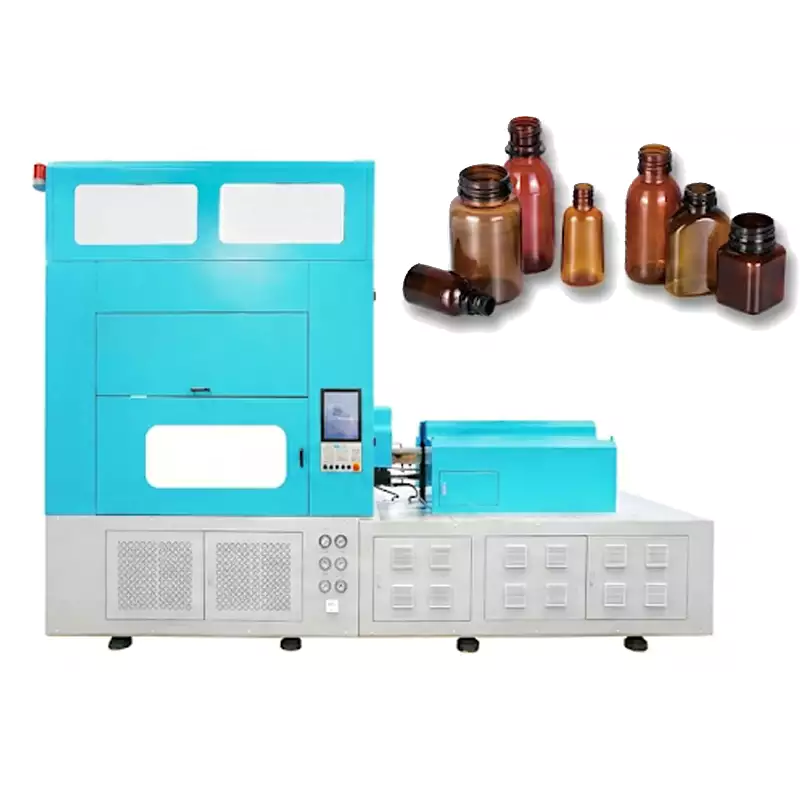
✔️ Energy baseline
Meter kWh over stable production and divide by good bottles. Record bottle, resin, cavities, cycle, yield and utility conditions with the reading.
✔️ Load breakdown
Separate machine heaters, drive/pump power, compressor allocation, dryer, chiller and conveyors. Use submetering or engineering estimates with a clearly stated boundary.
✔️ Barrel heating
Maintain insulation and validated temperature settings and avoid excessive heat soak during planned stops. Check actual melt needs before lowering setpoints.
Measure Energy per Good Bottle, Not Machine kW
Energy baseline
Energy baseline. Meter kWh over stable production and divide by good bottles. Record bottle, resin, cavities, cycle, yield and utility conditions with the reading. Evaluate energy baseline as energy or cost per good bottle so a change that raises scrap is not mistaken for an efficiency gain. Where the outcome depends on material grade or tooling geometry, confirm the approved project limit and then use energy baseline as the next cross-check. A lower kWh reading during slow production can still mean worse energy per bottle.
The ASB-compatible tooling configuration is also relevant when checking how mold interfaces and machine motion must remain compatible during replacement, troubleshooting, or capacity changes.
Split the Cell into Energy Consumers
Load breakdown
Load breakdown. Separate machine heaters, drive/pump power, compressor allocation, dryer, chiller and conveyors. Use submetering or engineering estimates with a clearly stated boundary. Evaluate load breakdown as energy or cost per good bottle so a change that raises scrap is not mistaken for an efficiency gain. When the project is near a machine or material limit, require a molding trial that isolates load breakdown and then challenges load breakdown under the same bottle specification. Without a breakdown, teams often target visible heaters while compressed air dominates.
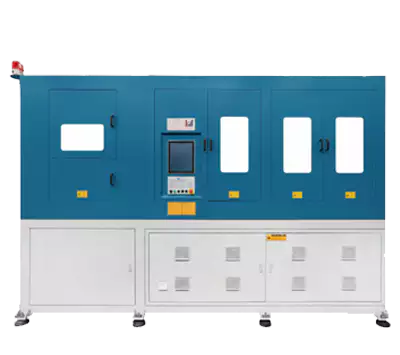
Reduce Melt and Heater Loss without Harming Resin
Barrel heating
Barrel heating. Maintain insulation and validated temperature settings and avoid excessive heat soak during planned stops. Check actual melt needs before lowering setpoints. Evaluate barrel heating as energy or cost per good bottle so a change that raises scrap is not mistaken for an efficiency gain. The safest interpretation comes from comparing at least several stable cycles and then verifying barrel heating without changing the rest of the recipe. Energy reduction that creates poor melt quality or longer cycle is not a net gain.
Working terms for this specific task
- Energy baseline
- Meter kWh over stable production and divide by good bottles.
- Load breakdown
- Separate machine heaters, drive/pump power, compressor allocation, dryer, chiller and conveyors.
- Barrel heating
- Maintain insulation and validated temperature settings and avoid excessive heat soak during planned stops.
- Servo/hydraulic operation
- Use energy-saving drive modes available on the machine and maintain hydraulic systems so pressure is not higher than process needs.
Optimize Drives and Hydraulic Pumping
Servo/hydraulic operation
Servo/hydraulic operation. Use energy-saving drive modes available on the machine and maintain hydraulic systems so pressure is not higher than process needs. Compare cycle power profiles before and after changes. Evaluate servo/hydraulic operation as energy or cost per good bottle so a change that raises scrap is not mistaken for an efficiency gain. A useful production trial keeps the resin lot and cavity identification fixed while servo/hydraulic operation is changed, followed by a separate check of servo/hydraulic operation. Lower pump pressure without checking clamp or injection requirements can destabilize molding.
| مورد | Engineering question | Practical verification |
|---|---|---|
| Energy baseline | Meter kWh over stable production and divide by good bottles. | Record bottle, resin, cavities, cycle, yield and utility conditions with the reading. |
| Load breakdown | Separate machine heaters, drive/pump power, compressor allocation, dryer, chiller and conveyors. | Use submetering or engineering estimates with a clearly stated boundary. |
| Barrel heating | Maintain insulation and validated temperature settings and avoid excessive heat soak during planned stops. | Check actual melt needs before lowering setpoints. |
| Servo/hydraulic operation | Use energy-saving drive modes available on the machine and maintain hydraulic systems so pressure is not higher than process needs. | Compare cycle power profiles before and after changes. |
| Cooling heat transfer | Clean circuits, maintain flow and fix air locks so heat is removed efficiently. | A clean mold can achieve the same cooling with less chiller burden or shorter cycle. |
| Blow pressure | Use the minimum stable pressure and timing that form the bottle, then fix leaks and pressure drops. | Track air consumption per good bottle. |
| Release condition | Compare energy per good bottle, scrap rate and output before and after each project. Normalize for bottle mass and product mix when comparing periods. | |
Reduce Cooling Load through Better Heat Transfer
Cooling heat transfer
Cooling heat transfer. Clean circuits, maintain flow and fix air locks so heat is removed efficiently. A clean mold can achieve the same cooling with less chiller burden or shorter cycle. Evaluate cooling heat transfer as energy or cost per good bottle so a change that raises scrap is not mistaken for an efficiency gain. The practical value of this check is that it turns cooling heat transfer from a vague setting into evidence that can be compared with cooling heat transfer. Reducing chiller setpoint to compensate for fouling increases energy and can cause condensation.
Blow pressure
Blow pressure. Use the minimum stable pressure and timing that form the bottle, then fix leaks and pressure drops. Track air consumption per good bottle. Evaluate blow pressure as energy or cost per good bottle so a change that raises scrap is not mistaken for an efficiency gain. Use this result to narrow the process window, not to create a new universal setpoint; the next constraint to confirm is blow pressure. Raising plant pressure to overcome local restrictions wastes energy system-wide.
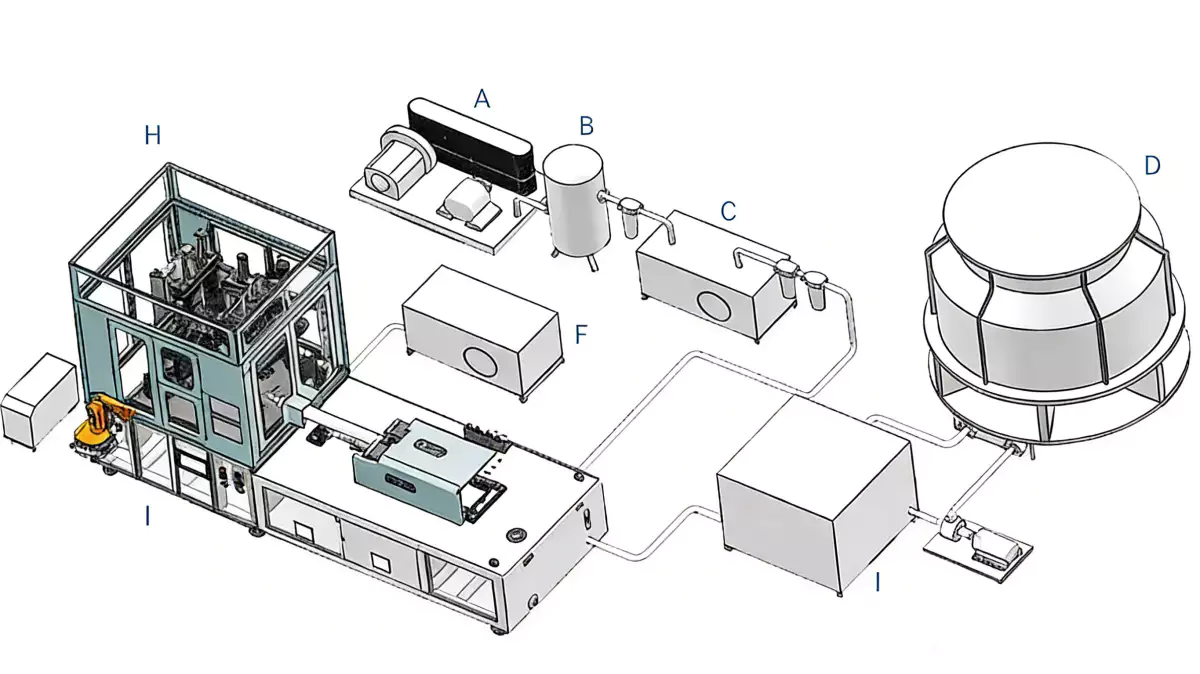
Attack Compressed-Air Waste
Air recovery
Air recovery. Where the machine supports recovery or recycling, verify valves, receivers and control sequence are functioning. Measure actual compressor demand rather than assuming the option is saving air. Evaluate air recovery as energy or cost per good bottle so a change that raises scrap is not mistaken for an efficiency gain. The expected response should be visible in a bottle measurement, defect map, or machine trend before the team proceeds to air recovery. A poorly maintained recovery circuit can add complexity without useful savings.
Improve Dryer Efficiency and Material Flow
Dryer operation
Dryer operation. Match hopper and dryer throughput to resin consumption and maintain desiccant or vacuum system condition. Avoid drying far more resin than the production plan requires while still meeting material requirements. Evaluate dryer operation as energy or cost per good bottle so a change that raises scrap is not mistaken for an efficiency gain. Once this check is stable, the next useful question is whether dryer operation changes the same bottle region or affects a different part of the process. Energy savings that shorten drying residence can damage PET quality and increase scrap.
For this topic, the one-step ISBM machine portfolio provides useful equipment context for connecting the process requirement to an integrated resin-to-bottle platform.
Control Idle and Changeover Energy
Idle management
Idle management. Define standby states for short stops, long stops and changeovers. Reduce heaters, pumps or auxiliaries only within safe restart procedures. Evaluate idle management as energy or cost per good bottle so a change that raises scrap is not mistaken for an efficiency gain. This checkpoint should be evaluated before idle management is altered, because otherwise two process mechanisms change at the same time. Aggressive shutdown can create a longer, scrap-heavy restart that erases the energy saved.
Verify Savings against Quality and Output
Verification
Verification. Compare energy per good bottle, scrap rate and output before and after each project. Normalize for bottle mass and product mix when comparing periods. Evaluate verification as energy or cost per good bottle so a change that raises scrap is not mistaken for an efficiency gain. For this topic, the engineering log should connect verification with the observed bottle condition and then test whether verification supports the same diagnosis. Energy KPIs without quality and production context can reward the wrong behavior.
Idle management: release evidence
Define standby states for short stops, long stops and changeovers. Reduce heaters, pumps or auxiliaries only within safe restart procedures. The condition is accepted only when the relevant bottle measurement or functional test remains stable after the process reaches normal operating temperature.
Verification: failure boundary
Energy KPIs without quality and production context can reward the wrong behavior. Use that failure mode as the boundary for the trial and return to the previous stable condition when the bottle response moves in the wrong direction.
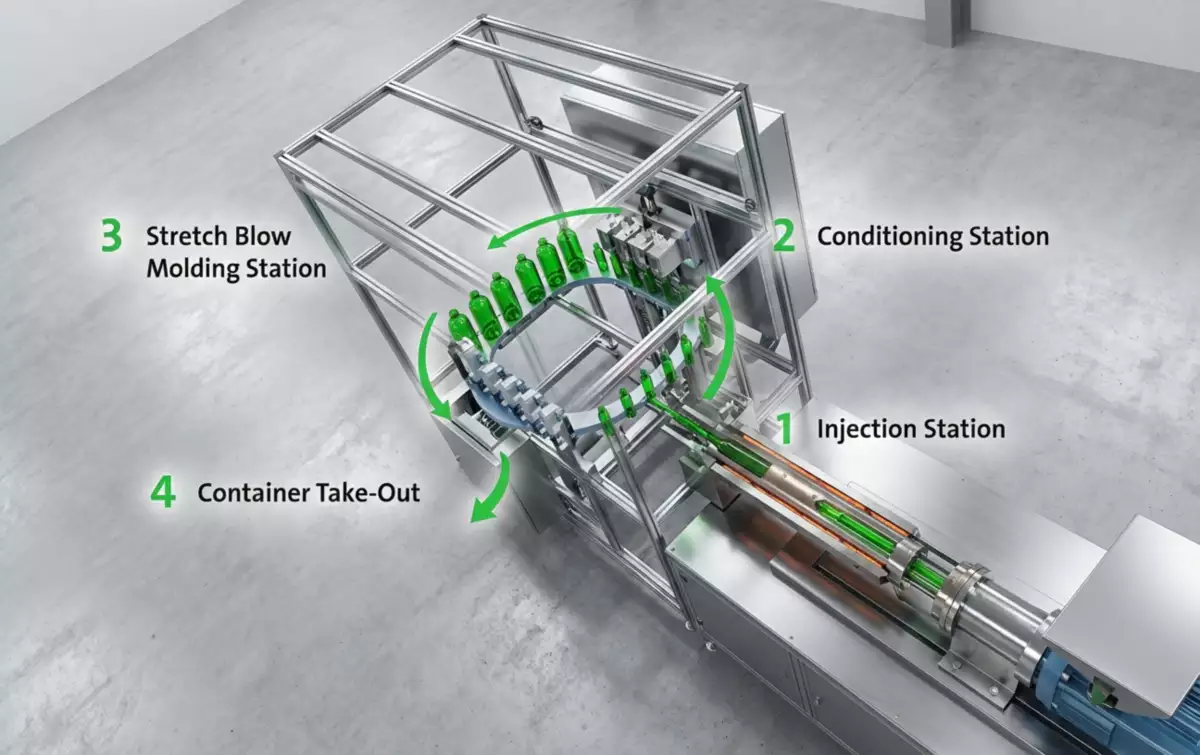
Energy KPI that prevents false savings
Energy per good bottle = total measured cell energy / good bottles produced. A mass-normalized alternative is energy per kilogram of good product. Keep bottle family, resin, cycle, yield, and the metering boundary consistent when comparing before-and-after results.
This KPI prevents a common error: reducing machine kW while slowing the cycle or increasing scrap. If energy per hour falls but good output falls faster, the process has become less efficient, not more efficient.
The multi-material ISBM platform overview also helps frame how machine architecture, materials, utilities, and bottle applications fit together at line level.
Questions that arise specifically in How to Reduce Energy Use on an ISBM Machine
What is the best ISBM energy KPI?
Energy per good bottle or per kilogram of good product is more useful than instantaneous kW because it includes productivity and yield.
Should I reduce blow pressure first?
Only after confirming the minimum pressure that still meets bottle quality and checking for leaks or restrictions.
Can colder cooling water save cycle time and energy?
It may change cycle but can increase chiller energy or create condensation. Optimize heat transfer and total system energy, not one temperature.
Do servo drives guarantee low energy?
No. They can reduce losses on certain motions, but total cell energy includes heating, air, drying and cooling.
How do I verify an energy project?
Measure the same boundary before and after under comparable bottle, resin, output and quality conditions.
Practical conclusion
The final decision on How to Reduce Energy Use on an ISBM Machine is made by the bottle, not by a single displayed parameter. Use energy baseline to establish the input, blow pressure to test the mechanism, and verification to prove the output under stable conditions. Energy KPIs without quality and production context can reward the wrong behavior.