
Cara Memproses rPET pada Mesin ISBM: Panduan Teknis Praktis
Untuk panduan Cara Memproses rPET pada Mesin ISBM, tujuannya bukanlah untuk menemukan satu pengaturan universal. Tujuannya adalah untuk membuktikan kombinasi spesifikasi bahan baku, pengeringan, dan validasi botol mana yang menghasilkan botol yang dibutuhkan dalam kondisi pabrik yang stabil.
Spesifikasi bahan bakuVariabilitas warnaKontrol perubahan
Apa yang harus dibuktikan oleh artikel ini
Proses PET daur ulang dilakukan dengan mengendalikan kualitas bahan baku, pengeringan, penyaringan, warna, variabilitas viskositas, kontaminasi, konsistensi campuran, dan validasi botol, daripada mengasumsikan PET daur ulang berperilaku persis seperti PET murni yang stabil. Dasar yang dapat dipertanggungjawabkan dimulai dengan mendefinisikan sumber pasca-konsumen atau proses, persentase daur ulang, warna, kontaminasi, viskositas intrinsik, atau persyaratan kualitas setara yang relevan dengan produk. Metode verifikasi pertama adalah mensyaratkan data bahan baku dan verifikasi pabrik yang sesuai dengan rantai pasokan. Dari situ, artikel ini hanya mengikuti pemeriksaan yang secara material dapat mengubah jawaban yang dijanjikan oleh judul. Jika nilai operasi yang tepat bergantung pada jenis resin, gambar botol, cetakan, atau mesin yang dikirim, spesifikasi proyek yang disetujui mengontrol pengaturan akhir.
✔️ Spesifikasi bahan baku
Tetapkan sumber pasca-konsumsi atau proses, persentase daur ulang, warna, kontaminasi, viskositas intrinsik, atau persyaratan kualitas setara yang relevan dengan produk. Persyaratkan data masukan dan verifikasi pabrik yang sesuai dengan rantai pasokan.
✔️ Status kontak dengan makanan
Untuk kemasan makanan atau kemasan sensitif, pastikan bahwa bahan daur ulang dan proses daur ulang memenuhi persyaratan peraturan dan ketentuan pelanggan. Simpan informasi nomor lot dan ketelusuran pemasok.
✔️ Pengeringan
rPET masih memerlukan persiapan yang terkontrol dan mungkin tiba dengan kadar air atau perilaku curah yang bervariasi. Gunakan persyaratan pengeringan kelas/aliran yang disetujui dan pantau kinerja serta waktu pengeringan.
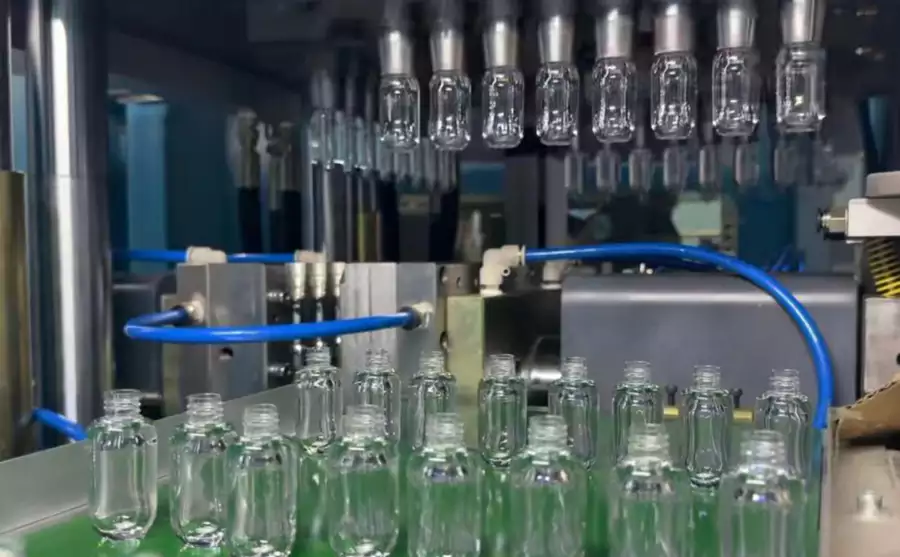
Casing dengan bentuk yang rumit seperti ini Aplikasi ISBM wadah bermulut lebar Hal ini berguna untuk memeriksa apakah logika proses yang sama tetap stabil ketika area proyeksi, keseimbangan panas, dan distribusi material menjadi lebih sulit dikendalikan.
Tentukan Bahan Baku dan Persyaratan Produk rPET
Spesifikasi bahan baku
Spesifikasi bahan baku. Tentukan sumber pasca-konsumsi atau proses, persentase daur ulang, warna, kontaminasi, viskositas intrinsik, atau persyaratan kualitas setara yang relevan dengan produk. Persyaratkan data masukan dan verifikasi pabrik yang sesuai dengan rantai pasokan. Untuk spesifikasi bahan baku, pertahankan identitas lot atau campuran rPET yang terlampir pada data proses karena variabilitas material masukan dapat menggeser rentang operasi. Faktor ini harus dicantumkan dalam lembar pengaturan karena secara langsung mengubah kondisi di mana spesifikasi bahan baku dievaluasi. Label rPET mencakup material dengan sejarah dan konsistensi yang sangat berbeda.
Mengendalikan Variabilitas Lot Masuk
Status kontak dengan makanan
Status kontak dengan makanan. Untuk kemasan makanan atau kemasan sensitif, pastikan bahwa bahan daur ulang dan proses daur ulang memenuhi persyaratan peraturan dan ketentuan pelanggan. Pertahankan ketertelusuran lot dan pemasok. Untuk status kontak makanan, simpan identitas lot atau campuran rPET yang terlampir pada data proses karena variabilitas bahan yang masuk dapat menggeser jendela operasi. Jika hasilnya berbeda per rongga, bandingkan perangkat keras lokal yang terkait dengan status kontak makanan sebelum beralih ke status kontak makanan. Kemampuan cetak saja tidak menentukan kesesuaian untuk kemasan akhir.
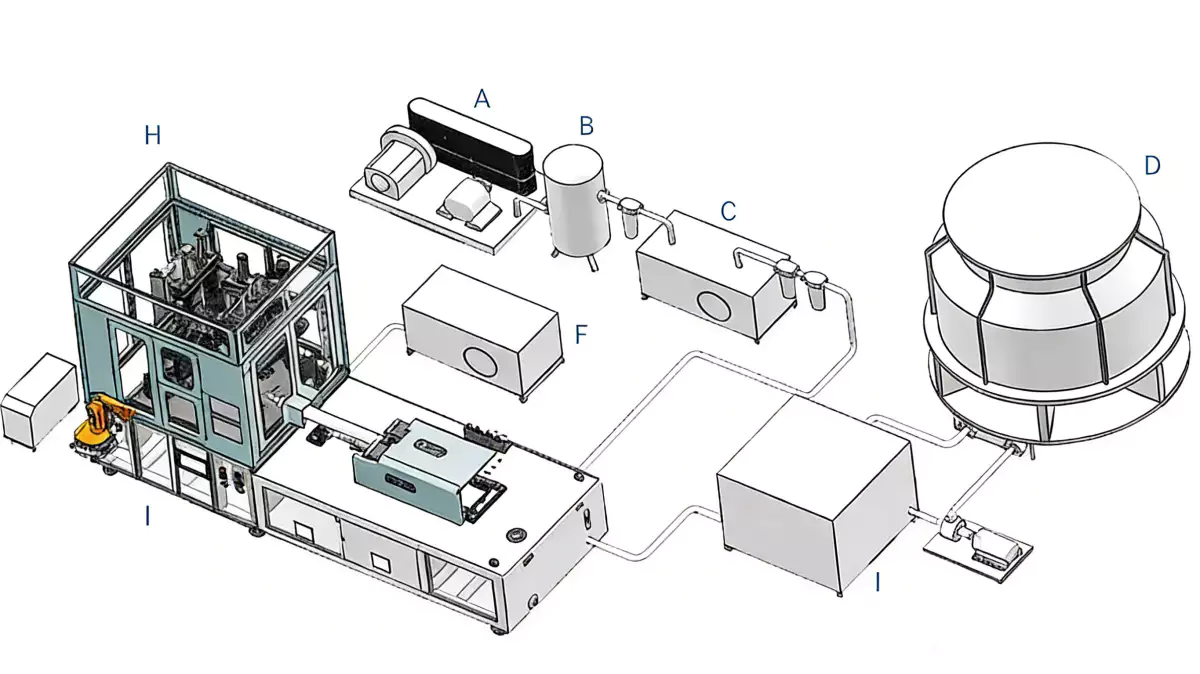
rPET kering dengan Rencana Material Terverifikasi
Pengeringan
Pengeringan. rPET masih memerlukan persiapan yang terkontrol dan mungkin tiba dengan kelembapan atau perilaku curah yang bervariasi. Gunakan persyaratan pengeringan kelas/aliran yang disetujui dan pantau kinerja dan waktu pengeringan. Untuk pengeringan, simpan identitas lot atau campuran rPET yang terlampir pada data proses karena variabilitas material yang masuk dapat menggeser jendela operasi. Hal ini dianggap terselesaikan hanya jika temuan tetap dapat diulang setelah stabilisasi termal dan pemeriksaan berikutnya, pengeringan, tidak bertentangan dengannya. Mengasumsikan rutinitas murni yang tetap selalu memadai dapat menyebabkan pergeseran viskositas dan kejernihan.
Serbuk halus dan debu
Serbuk halus dan debu. Bahan daur ulang dapat mengandung lebih banyak partikel halus tergantung pada pasokan dan penanganannya. Jaga kebersihan filter, loader, dan hopper, serta pantau akumulasi debu. Untuk partikel halus dan debu, simpan identitas lot atau campuran rPET yang terlampir pada data proses karena variabilitas bahan yang masuk dapat menggeser rentang operasi. Untuk pengulangan, tentukan siapa yang mengukur partikel halus dan debu, di mana pengukuran dilakukan, dan bukti botol apa yang diperlukan sebelum memeriksa partikel halus dan debu. Partikel halus dapat meningkatkan kontaminasi, bintik hitam, atau ketidakstabilan pengumpanan.
Ketentuan kerja untuk tugas khusus ini
- Spesifikasi bahan baku
- Tentukan sumber pasca-konsumsi atau proses, persentase daur ulang, warna, kontaminasi, viskositas intrinsik, atau persyaratan kualitas setara yang relevan dengan produk tersebut.
- Status kontak dengan makanan
- Untuk kemasan makanan atau kemasan sensitif, pastikan bahwa bahan daur ulang dan proses daur ulang memenuhi persyaratan peraturan dan ketentuan pelanggan.
- Pengeringan
- rPET masih memerlukan persiapan yang terkontrol dan mungkin tiba dengan kadar air atau perilaku massal yang bervariasi.
- Serbuk halus dan debu
- Bahan daur ulang dapat mengandung lebih banyak partikel halus tergantung pada pasokan dan penanganannya.
Lindungi Kualitas Lelehan selama Injeksi
Filtrasi leleh
Filtrasi leleh. Jika konfigurasi proses dan mesin menyediakan filtrasi, pastikan filtrasi tersebut terawat dan pantau perilaku tekanannya. Gunakan filtrasi yang sesuai dengan aliran material tanpa mengurangi pasokan ke unit injeksi. Untuk filtrasi lelehan, simpan nomor lot atau identitas campuran rPET yang terlampir pada data proses karena variabilitas material yang masuk dapat menggeser jendela operasi. Catat respons botol di samping pengaturan atau pengukuran untuk filtrasi lelehan; catatan tersebut menjadi kondisi awal saat filtrasi lelehan ditinjau. Filter yang tersumbat dapat mengubah tekanan dan siklus; tidak adanya filter dapat meningkatkan risiko kontaminasi.
| Barang | Pertanyaan teknik | Verifikasi praktis |
|---|---|---|
| Spesifikasi bahan baku | Tentukan sumber pasca-konsumsi atau proses, persentase daur ulang, warna, kontaminasi, viskositas intrinsik, atau persyaratan kualitas setara yang relevan dengan produk tersebut. | Membutuhkan data masuk dan verifikasi pabrik yang sesuai dengan rantai pasokan. |
| Status kontak dengan makanan | Untuk kemasan makanan atau kemasan sensitif, pastikan bahwa bahan daur ulang dan proses daur ulang memenuhi persyaratan peraturan dan ketentuan pelanggan. | Pertahankan ketertelusuran nomor lot dan pemasok. |
| Pengeringan | rPET masih memerlukan persiapan yang terkontrol dan mungkin tiba dengan kadar air atau perilaku massal yang bervariasi. | Gunakan persyaratan pengeringan tingkat/aliran yang telah disetujui dan pantau kinerja serta waktu pengeringan. |
| Serbuk halus dan debu | Bahan daur ulang dapat mengandung lebih banyak partikel halus tergantung pada pasokan dan penanganannya. | Jaga kebersihan filter, loader, dan hopper serta pantau akumulasi debu. |
| Filtrasi leleh | Jika proses dan konfigurasi mesin menyediakan filtrasi, pastikan filtrasi tersebut terawat dan pantau perilaku tekanannya. | Gunakan filtrasi yang sesuai dengan aliran material tanpa mengurangi pasokan ke unit injeksi. |
| Variabilitas warna | rPET dapat memiliki perbedaan warna dasar yang terlihat pada botol bening. | Gunakan teknik pencampuran yang konsisten dan strategi koreksi warna yang disetujui jika diizinkan. |
| Kondisi rilis | Tentukan kapan pemasok baru, persentase daur ulang, atau spesifikasi material memerlukan uji coba atau peninjauan resep. Simpan rentang waktu proses yang disetujui dan data kualitas berdasarkan kondisi material. | |
Kelola Risiko Warna dan Bintik Hitam
Variabilitas warna
Variabilitas warna. rPET dapat memiliki perbedaan warna dasar yang terlihat pada botol bening. Gunakan pencampuran yang konsisten dan strategi koreksi warna yang disetujui jika diizinkan. Untuk variabilitas warna, simpan identitas lot atau campuran rPET yang terlampir pada data proses karena variabilitas bahan baku dapat menggeser jendela operasi. Jika gejala atau target kinerja tidak bergerak seperti yang diprediksi, kembalikan variabilitas warna ke garis dasar dan selidiki variabilitas warna daripada menumpuk koreksi. Mengubah masterbatch untuk menyembunyikan satu lot dapat menciptakan pergeseran optik ketika lot berikutnya berubah.
Itu Gambaran umum platform ISBM multi-material juga membantu menjelaskan bagaimana arsitektur mesin, material, utilitas, dan aplikasi botol saling berkaitan di tingkat lini produksi.
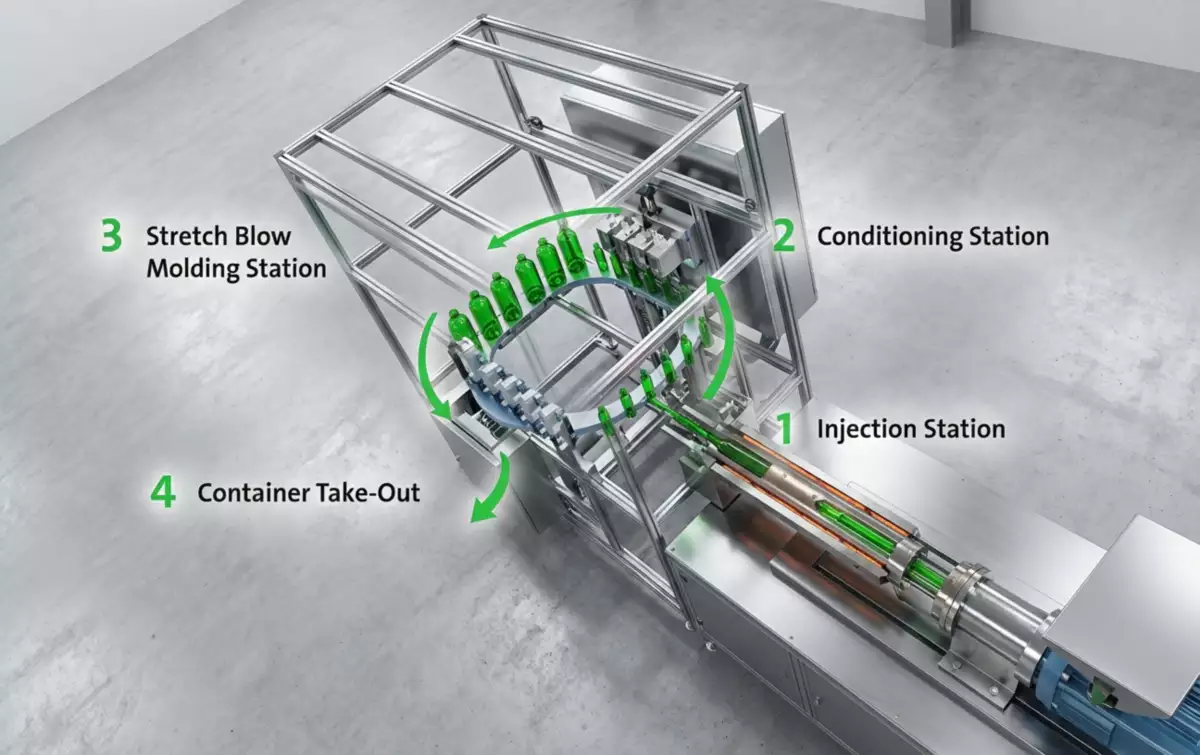
Sesuaikan Kondisi Pra-Performa dan Peregangan untuk Campuran yang Sesungguhnya
Respons viskositas/proses
Respons viskositas/proses. Variabilitas dalam riwayat polimer dapat mengubah tekanan pengisian, perilaku peregangan, dan kinerja mekanis. Pantau tren data injeksi, massa preform, dan kinerja botol berdasarkan lot. Untuk respons viskositas/proses, pertahankan identitas lot atau campuran rPET yang terlampir pada data proses karena variabilitas material yang masuk dapat menggeser jendela operasi. Jika perubahan meningkatkan satu wilayah tetapi memperburuk wilayah lain, bandingkan pergerakan material atau energi antara respons viskositas/proses dan respons viskositas/proses, alih-alih menerima peningkatan visual pertama. Operator mungkin akan mengubah pengaturan ketika material masukan sebenarnya telah bergeser.
Konsistensi campuran
Konsistensi campuran. Saat mencampur pelet murni dan daur ulang, pertahankan rasio dan pencampuran yang akurat. Verifikasi pencampuran gravimetrik atau batch dan cegah segregasi dalam pengangkutan. Untuk konsistensi campuran, simpan nomor lot rPET atau identitas campuran yang terlampir pada data proses karena variabilitas material yang masuk dapat menggeser jendela operasi. Jika hasilnya bergantung pada jenis material atau geometri peralatan, konfirmasikan batas proyek yang disetujui dan kemudian gunakan konsistensi campuran sebagai pemeriksaan silang berikutnya. Campuran yang berfluktuasi menghasilkan proses yang berfluktuasi meskipun resepnya tetap.
Pantau Kinerja Botol Seiring Perubahan Kandungan Bahan Daur Ulang
Validasi botol
Validasi botol. Periksa distribusi dinding, kejernihan, warna, penurunan tekanan, beban atas, kebocoran, dan pengujian spesifik aplikasi pada kandungan daur ulang yang dimaksud. Validasi variabilitas masukan terburuk atau representatif. Untuk validasi botol, simpan identitas lot atau campuran rPET yang terlampir pada data proses karena variabilitas material masukan dapat menggeser jendela operasi. Ketika proyek mendekati batas mesin atau material, perlukan uji coba pencetakan yang mengisolasi validasi botol dan kemudian menantang validasi botol di bawah spesifikasi botol yang sama. Lulus satu lot rPET yang bersih tidak membuktikan ketahanan terhadap variasi pasokan normal.
Buat Rencana Pengendalian Perubahan untuk Pasokan rPET
Kontrol perubahan
Kontrol perubahan. Tentukan kapan pemasok baru, persentase daur ulang, atau spesifikasi material memerlukan uji coba atau peninjauan resep. Simpan jendela proses yang disetujui dan data kualitas berdasarkan kondisi material. Untuk pengendalian perubahan, simpan identitas lot atau campuran rPET yang terlampir pada data proses karena variabilitas material yang masuk dapat menggeser jendela operasi. Interpretasi yang paling aman diperoleh dengan membandingkan setidaknya beberapa siklus stabil dan kemudian memverifikasi pengendalian perubahan tanpa mengubah bagian resep lainnya. Perubahan bahan baku yang tidak terkontrol dapat menciptakan variasi yang terlihat oleh pelanggan tanpa tinjauan teknik formal.
Validasi botol: bukti rilis
Periksa distribusi dinding, kejernihan, warna, tetesan, beban atas, kebocoran, dan pengujian spesifik aplikasi pada kandungan daur ulang yang dimaksud. Validasi variabilitas masukan terburuk atau representatif. Kondisi diterima hanya jika pengukuran botol atau pengujian fungsional yang relevan tetap stabil setelah proses mencapai suhu operasi normal.
Kontrol perubahan: batas kegagalan
Perubahan bahan baku yang tidak terkontrol dapat menciptakan variasi yang terlihat oleh pelanggan tanpa tinjauan teknik formal. Gunakan mode kegagalan tersebut sebagai batasan untuk percobaan dan kembali ke kondisi stabil sebelumnya ketika respons botol bergerak ke arah yang salah.
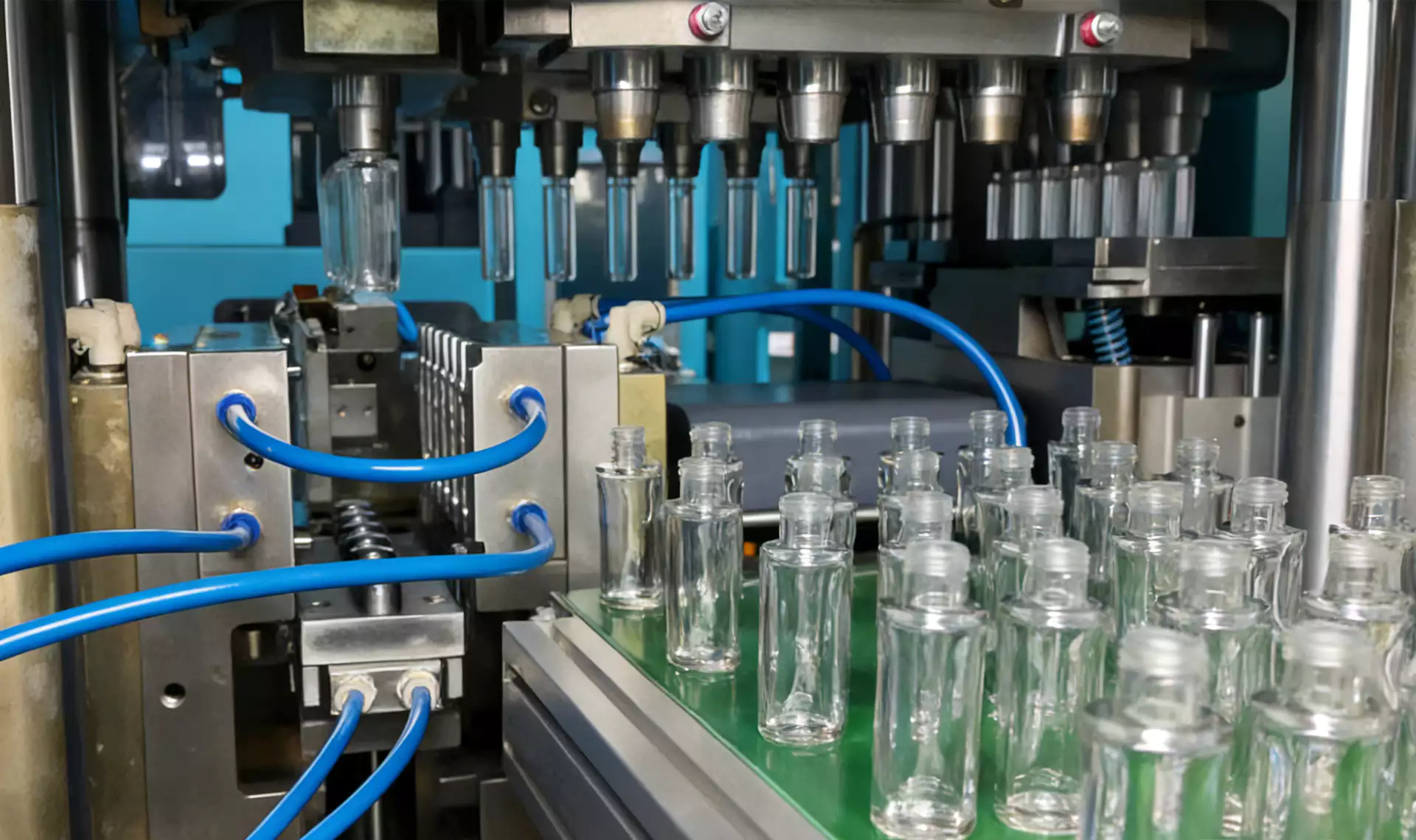
Itu Konfigurasi peralatan yang kompatibel dengan ASB Hal ini juga relevan ketika memeriksa bagaimana antarmuka cetakan dan gerakan mesin harus tetap kompatibel selama penggantian, pemecahan masalah, atau perubahan kapasitas.
Pertanyaan yang muncul secara khusus tentang Cara Memproses rPET pada Mesin ISBM
Bisakah mesin ISBM menjalankan rPET 100%?
Beberapa sistem modern dan aliran resin dapat mendukung kandungan daur ulang yang sangat tinggi, tetapi kemampuan tersebut harus diverifikasi sesuai dengan kebutuhan mesin, bahan baku, dan botol yang tepat.
Apakah rPET membutuhkan pengeringan yang berbeda?
Pengendalian yang diperlukan mungkin berbeda tergantung pada kondisi pasokan. Ikuti panduan material yang berkualifikasi dan verifikasi pengelolaan kelembapan daripada berasumsi.
Mengapa bintik hitam meningkat pada beberapa lot rPET?
Kemungkinan penyebabnya meliputi kontaminasi yang masuk, partikel halus, partikel yang terdegradasi, kebersihan pengangkutan, atau zona mati mesin. Gunakan pola lot dan rongga untuk mendiagnosisnya.
Apakah saya perlu mengubah pengaturan peregangan saat konten daur ulang berubah?
Hanya jika data menunjukkan respons material berubah. Gunakan uji coba terkontrol dan uji botol daripada penyesuaian otomatis.
Apa yang harus dilacak oleh lot rPET?
Identitas material, pengeringan, persentase campuran, tren injeksi, data warna/cacat, distribusi dinding, dan uji botol fungsional yang relevan.
Kesimpulan praktis
Keputusan akhir tentang Cara Memproses rPET pada Mesin ISBM ditentukan oleh botolnya, bukan oleh satu parameter yang ditampilkan. Gunakan spesifikasi bahan baku untuk menetapkan input, variabilitas warna untuk menguji mekanisme, dan kontrol perubahan untuk membuktikan output dalam kondisi stabil. Perubahan bahan baku yang tidak terkontrol dapat menciptakan variasi yang terlihat oleh pelanggan tanpa tinjauan teknik formal.