
How to Mold Baby Bottles with an ISBM Machine: Practical Technical Guide
For How to Mold Baby Bottles with an ISBM Machine, the objective is not to find one universal setting. It is to prove which combination of use cycle, regulatory requirement, and sterilization test produces the required bottle under stable factory conditions.
Use cycleResidual stressProduction control
O que este artigo deve provar
Mold baby bottles by matching resin, heat/sterilization exposure, clarity, impact resistance, wall distribution, neck fit, cleanliness and post-molding testing to the intended product and market requirements. A defensible baseline begins with Define whether the bottle will see boiling water, steam sterilization, dishwashing, repeated washing, hot fill or microwave exposure. The first verification method is Translate the consumer use into laboratory cycles before resin selection. From there, the article follows only checks that can materially change the answer promised by the title. Where an exact operating value depends on the resin grade, bottle drawing, mold, or delivered machine, the approved project specification controls the final setting.
✔️ Use cycle
Define whether the bottle will see boiling water, steam sterilization, dishwashing, repeated washing, hot fill or microwave exposure. Translate the consumer use into laboratory cycles before resin selection.
✔️ Resin selection
PET, PP, PPSU or other materials have different clarity, toughness and heat capability. Use the exact approved grade and verify that the machine can process its melt and stretch window.
✔️ Regulatory requirement
Food-contact and baby-care requirements vary by market and material. Confirm the compliance documentation and package testing required for the destination market.
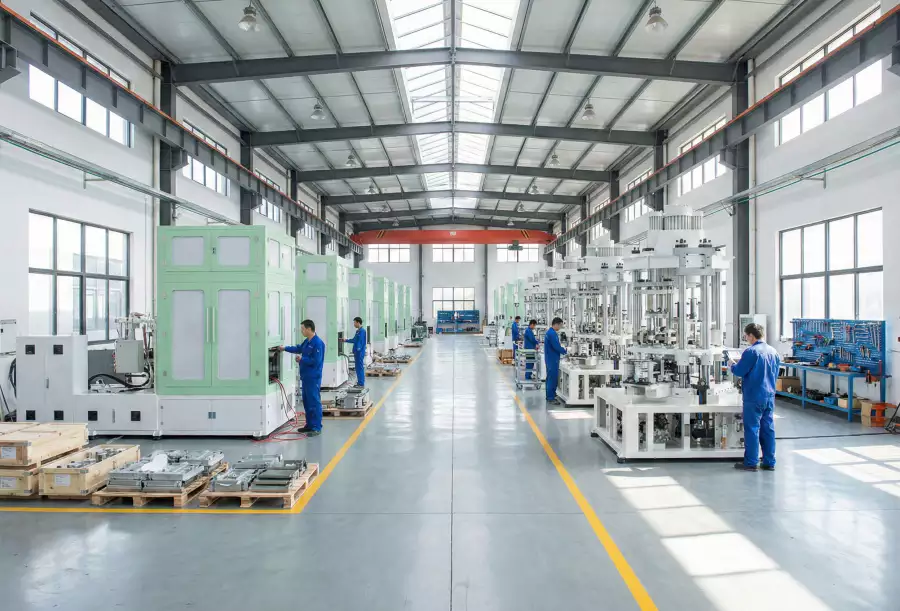
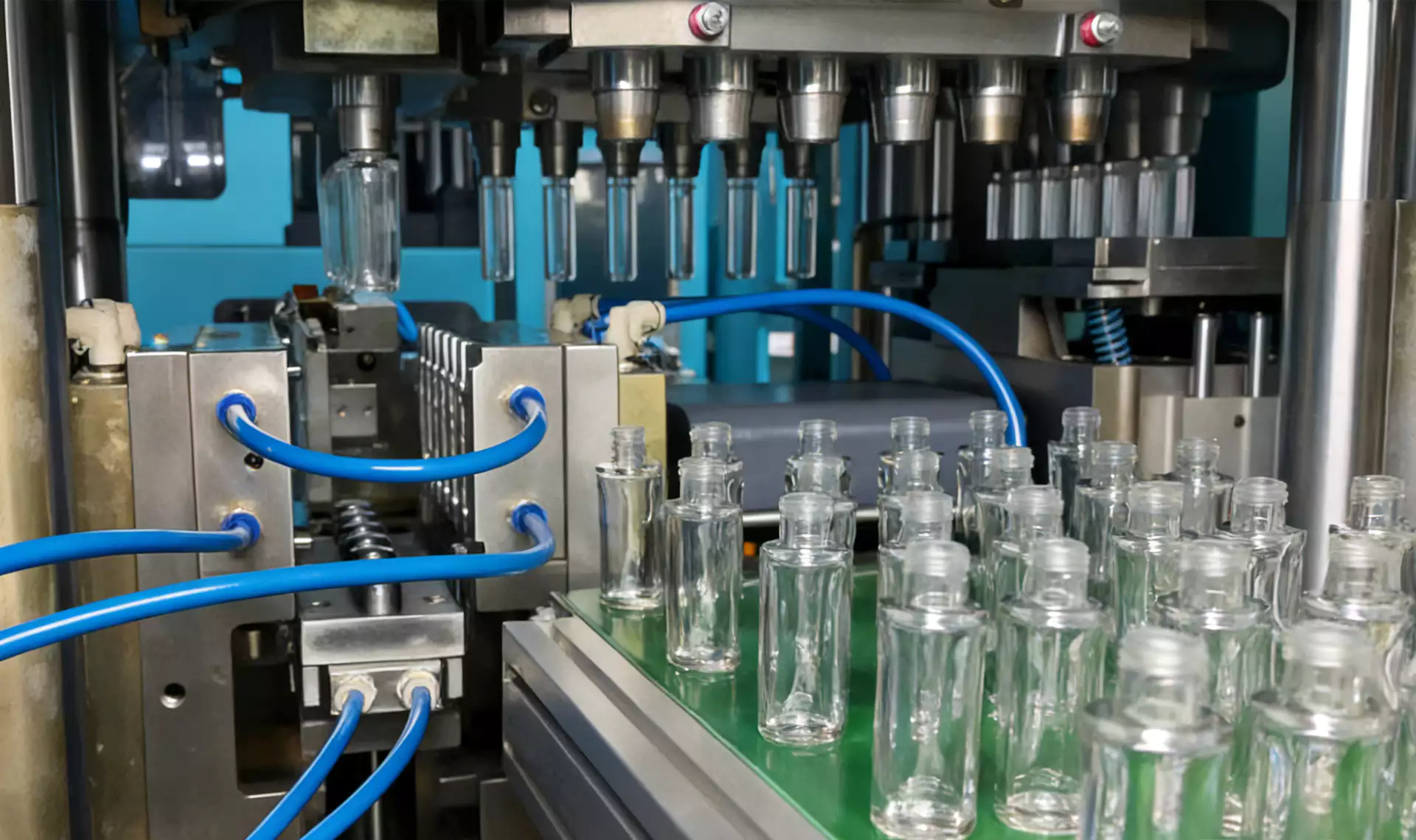
Ao traduzir o requisito em hardware, o Configuração da máquina HGY50-V3-EV Ilustra como a injeção, o condicionamento térmico, o movimento de estiramento e sopro e o manuseio são organizados em uma plataforma compacta de uma única etapa.
Define the Baby-Bottle Use Cycle First
Use cycle
Use cycle. Define whether the bottle will see boiling water, steam sterilization, dishwashing, repeated washing, hot fill or microwave exposure. Translate the consumer use into laboratory cycles before resin selection. For the intended package, use cycle should be tied to a bottle-level test that represents filling, closure, distribution, or consumer use. Use this result to narrow the process window, not to create a new universal setpoint; the next constraint to confirm is use cycle. A bottle that looks perfect at room temperature can distort or crack after repeated heat exposure.
Choose and Qualify the Resin
Resin selection
Resin selection. PET, PP, PPSU or other materials have different clarity, toughness and heat capability. Use the exact approved grade and verify that the machine can process its melt and stretch window. For the intended package, resin selection should be tied to a bottle-level test that represents filling, closure, distribution, or consumer use. The expected response should be visible in a bottle measurement, defect map, or machine trend before the team proceeds to resin selection. Selecting by resin family instead of grade can ignore additives and processing differences.
Design the Neck for Ring and Nipple Fit
Regulatory requirement
Regulatory requirement. Food-contact and baby-care requirements vary by market and material. Confirm the compliance documentation and package testing required for the destination market. For the intended package, regulatory requirement should be tied to a bottle-level test that represents filling, closure, distribution, or consumer use. Once this check is stable, the next useful question is whether regulatory requirement changes the same bottle region or affects a different part of the process. Molding capability does not establish regulatory suitability.
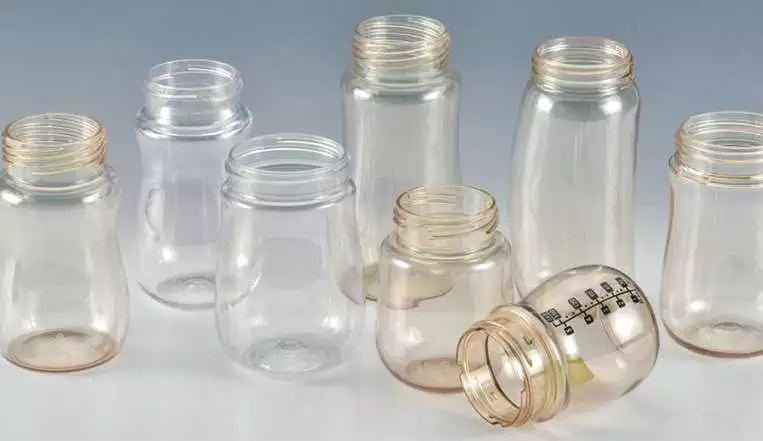
Neck geometry
Neck geometry. Threads or ring features must consistently fit the nipple, cap or collar system. Gauge finish dimensions and test assembly torque and leak on production bottles. For the intended package, neck geometry should be tied to a bottle-level test that represents filling, closure, distribution, or consumer use. This checkpoint should be evaluated before neck geometry is altered, because otherwise two process mechanisms change at the same time. Small ovality or flash can create intermittent leakage.
Condições de trabalho para esta tarefa específica
- Use cycle
- Define whether the bottle will see boiling water, steam sterilization, dishwashing, repeated washing, hot fill or microwave exposure.
- Resin selection
- PET, PP, PPSU or other materials have different clarity, toughness and heat capability.
- Regulatory requirement
- Food-contact and baby-care requirements vary by market and material.
- Neck geometry
- Threads or ring features must consistently fit the nipple, cap or collar system.
Control Wall Distribution for Repeated Handling
Distribuição na parede
Distribuição na parede. Balanced walls improve squeeze, impact and thermal response. Map thickness around the bottle and especially at shoulder, heel and base. For the intended package, wall distribution should be tied to a bottle-level test that represents filling, closure, distribution, or consumer use. For this topic, the engineering log should connect wall distribution with the observed bottle condition and then test whether wall distribution supports the same diagnosis. A hidden thin zone can become the first crack after repeated washing or dropping.
| Item | Pergunta de engenharia | Verificação prática |
|---|---|---|
| Use cycle | Define whether the bottle will see boiling water, steam sterilization, dishwashing, repeated washing, hot fill or microwave exposure. | Translate the consumer use into laboratory cycles before resin selection. |
| Resin selection | PET, PP, PPSU or other materials have different clarity, toughness and heat capability. | Use the exact approved grade and verify that the machine can process its melt and stretch window. |
| Regulatory requirement | Food-contact and baby-care requirements vary by market and material. | Confirm the compliance documentation and package testing required for the destination market. |
| Neck geometry | Threads or ring features must consistently fit the nipple, cap or collar system. | Gauge finish dimensions and test assembly torque and leak on production bottles. |
| Distribuição na parede | Balanced walls improve squeeze, impact and thermal response. | Map thickness around the bottle and especially at shoulder, heel and base. |
| Residual stress | Excessive orientation, cold stretching or injection stress can affect durability. | Use controlled thermal and impact tests to reveal stress-related weakness. |
| Condição de liberação | Record resin lot, recipe, cavity, key dimensions and functional test results. Retain approved reference samples and define reaction plans for drift. | |
Manage Heat History and Residual Stress
Residual stress
Residual stress. Excessive orientation, cold stretching or injection stress can affect durability. Use controlled thermal and impact tests to reveal stress-related weakness. For the intended package, residual stress should be tied to a bottle-level test that represents filling, closure, distribution, or consumer use. Do not judge this factor from the HMI value alone; pair it with the actual bottle result, then continue with residual stress only after the relationship is clear. Clear appearance alone does not prove low residual stress.
Para decisões relacionadas a ferramentas, o Engenharia de moldes de substituição ASB-12 Destaca por que as interfaces dimensionais, as conexões de refrigeração, a geometria da cavidade e o alinhamento de transferência devem ser tratados como parte da configuração da máquina.
Keep the Molding Cell Clean and Traceable
Surface quality
Surface quality. Scratches, black specks and internal contamination are highly visible and sensitive in baby products. Control material handling, cleaning, take-out contact and cavity traceability. For the intended package, surface quality should be tied to a bottle-level test that represents filling, closure, distribution, or consumer use. Keep surface quality at its validated baseline while this item is tested so the bottle response can be attributed to one cause. A minor cosmetic defect can become a brand-quality rejection even when functional tests pass.
Color and additives
Color and additives. Tints and masterbatches may alter heating behavior or compliance status. Qualify the complete formulation and retune thermal settings when absorption changes. For the intended package, color and additives should be tied to a bottle-level test that represents filling, closure, distribution, or consumer use. Use the smallest controlled change that can prove the effect of color and additives, then restore the baseline before a different adjustment such as color and additives is tried. Adding color without process validation can change stretch distribution.
Validate Sterilization, Drop and Leak Performance
Sterilization test
Sterilization test. Run the intended number and type of heat cycles with the closure system and inspect dimensions, haze, cracking and seal performance. Use worst-case temperature and time within the product specification. For the intended package, sterilization test should be tied to a bottle-level test that represents filling, closure, distribution, or consumer use. This factor belongs in the setup sheet because it directly changes the conditions under which sterilization test is evaluated. A single short heat test can miss cumulative distortion.
Build a Production Control Plan
Production control
Production control. Record resin lot, recipe, cavity, key dimensions and functional test results. Retain approved reference samples and define reaction plans for drift. For the intended package, production control should be tied to a bottle-level test that represents filling, closure, distribution, or consumer use. If the result differs by cavity, compare the local hardware related to production control before moving on to production control. Without traceability, investigating field complaints becomes slower and less conclusive.
Sterilization test: release evidence
Run the intended number and type of heat cycles with the closure system and inspect dimensions, haze, cracking and seal performance. Use worst-case temperature and time within the product specification. The condition is accepted only when the relevant bottle measurement or functional test remains stable after the process reaches normal operating temperature.
Production control: failure boundary
Without traceability, investigating field complaints becomes slower and less conclusive. Use that failure mode as the boundary for the trial and return to the previous stable condition when the bottle response moves in the wrong direction.
O Substituição de ferramentas de injeção ASB-12 É um exemplo útil de equipamento quando a tarefa envolve troca de moldes, correspondência dimensional, desempenho de resfriamento ou transferência repetível entre estações ISBM.
Questions that arise specifically in How to Mold Baby Bottles with an ISBM Machine
Which resin is best for baby bottles?
There is no universal answer. Define heat exposure, clarity, impact, regulatory, cleaning and cost requirements, then qualify a specific grade.
Can I use a cosmetic-bottle recipe for a baby bottle?
No. The bottle design, resin and durability requirements can be very different, so build a dedicated process window.
Why test repeated sterilization rather than one cycle?
Repeated heat exposure can reveal cumulative distortion or stress effects that a single cycle does not show.
What dimensions matter most?
Closure and sealing features are critical, along with body dimensions that affect assembly, handling and fill volume.
How do I reduce visible contamination?
Control resin storage and conveying, mold cleanliness, lubrication leakage, take-out contact and housekeeping around the molding cell.
Conclusão prática
The final decision on How to Mold Baby Bottles with an ISBM Machine is made by the bottle, not by a single displayed parameter. Use use cycle to establish the input, residual stress to test the mechanism, and production control to prove the output under stable conditions. Without traceability, investigating field complaints becomes slower and less conclusive.