1. Att konstruera det okrossbara: Övergången från borsilikatglas till COP/COC
Under mina 20 års erfarenhet som ingenjör inom den biofarmaceutiska förpackningssektorn har jag aldrig sett ett så kritiskt skifte som det som sker just nu. I årtionden var borosilikatglas av typ I den obestridda kungen bland vaccinflaskor. Men sprickorna i riket visar sig – bokstavligen talat. Glasdelaminering, brott under frystorkning (lyofilisering) och den katastrofala risken för brott under transport i ultrakall kedja (-80 °C) har tvingat industrin att leta efter alternativ.
Här är cyklo-olefinpolymer (COP) och cyklo-olefinsampolymer (COC). Dessa material erbjuder glasets transparens men med plastens hållbarhet och en överlägsen fuktbarriär. Att gjuta COP/COC är dock en konstform. Dessa material är dyra och termiskt känsliga. Traditionella tvåstegsformblåsningsprocesser introducerar för mycket termisk stress och partikelrisk.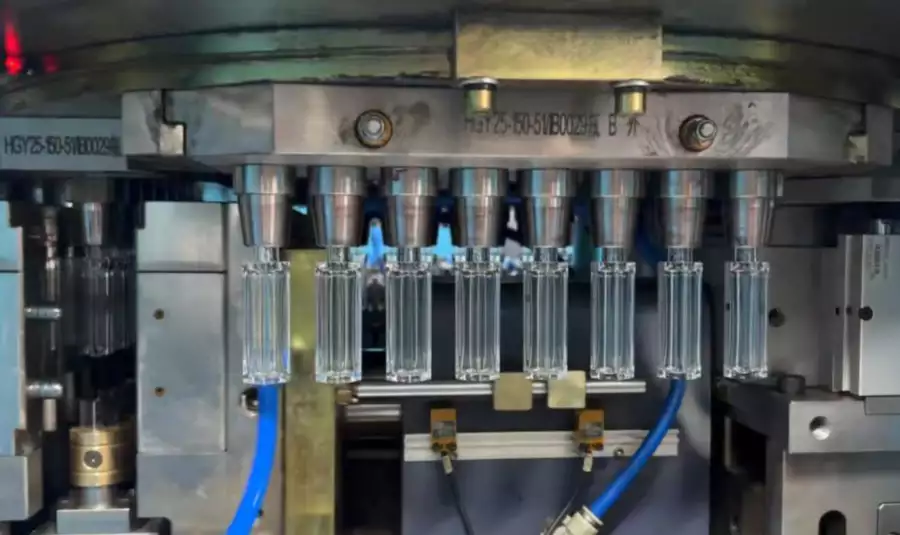
Det är här Enstegsblåsningsmaskin (ISBM)-teknik blir den enda gångbara vägen framåt. Genom att integrera injektion och blåsning i en enda, steril, temperaturkontrollerad cykel kan vi producera ampuller som uppfyller de strängaste USP -standarderna utan riskerna med glas.
2. Varför vaccin- och biologiska injektionsflaskor kräver ISBM i ett steg
För biologiska läkemedel är behållaren inte bara en förpackning; den är en del av läkemedelsleveranssystemet. Samspelet mellan injektionsflaskans yta och det proteinbaserade läkemedlet är avgörande.
- Partikelfri produktion: Enstegs-ISBM är en process som kallas "smält-till-fast" i en sluten slinga. Det sker ingen trimning, ingen ommalning och ingen mänsklig hantering av preformarna, vilket eliminerar risken för partikelkontaminering som är dödlig för injicerbara läkemedel.
- Exakta halsmått: Vaccinflaskor kräver krympförslutningar (aluminiumkapsyler). Läppens dimensionstolerans är avgörande för förseglingens integritet. ISBM-formsprutgjuter halsfinishen, vilket garanterar en perfekt krympyta enligt ISO-standard varje gång.
- Optisk klarhet: COP/COC behandlas via vår ISBM-maskin behåller glasliknande klarhet, vilket möjliggör automatisk visuell inspektion av vaccinvätskan.
3. Kärnbehov inom biofarma kontra matchning av ständigt kraftfulla teknologier
| Biofarma smärtpunkt | Ever-power ISBM-lösning | Tekniskt resultat |
|---|---|---|
| Delaminering och brott Glasbrott vid låga temperaturer. |
COP/COC-bearbetningskapacitet Specialiserad skruv- och pipdesign. |
Flaskorna tål -196 °C (flytande kväve) utan att spricka eller delaminera. |
| Proteinadsorption Läkemedel fastnar på glasväggar. |
Inert ytfinish Högglanspolerade formhåligheter. |
COP-ytan är hydrofob och inert, vilket minimerar läkemedelsförlust och proteinaggregering. |
| Sterilitetssäkring Kontaminering under gjutning. |
Helelektrisk renrumsdesign Servodriven, ingen hydraulolja. |
Kompatibel med ISO klass 7. Ingen risk för kontaminering av hydraulolja i dimma. |
| Dimensionsstabilitet Fel på krymptätning. |
Formsprutad hals Högtrycksbildning. |
Halsdimensioner inom ±0,05 mm, vilket säkerställer 100% Container Closure Integrity (CCI). |
4. Typiska tillämpningar inom delsegment
Vår Formsprutning i ett steg teknik används för biologiska behållare med högt värde:
COVID-19- och mRNA-vaccinflaskor
2 ml, 6 ml och 10 ml flaskor tillverkade av COP. Dessa kräver extrem köldbeständighet och måste ersätta glas sömlöst i påfyllningslinjer.
Lyofiliseringsflaskor (frystorkade)
Tjockbottnade flaskor utformade för att motstå påfrestningarna från frystorkningscykler utan den brottfrekvens som ses i glas.
Högviskösa biologiska läkemedel
Silikonfria, förfyllbara sprutcylinder och större ampuller för monoklonala antikroppar, där glasinteraktion är en risk.
5. Lösning för alltid kraftfull: Fördelen med HGY150-V4-EV
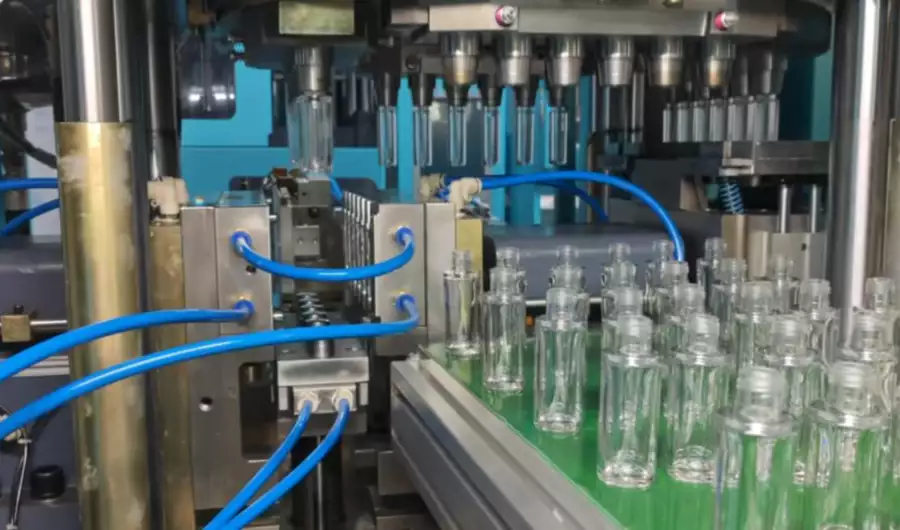
För COP/COC-flaskor kommer vanliga PET-maskiner att misslyckas. Materialet är dyrt (upp till $20/kg) och beter sig annorlunda termiskt. Vi rekommenderar HGY150-V4-EV (4-stationer, full servo).
Varför denna konfiguration?
- 4-stations precision: Den dedikerade Konditioneringsstation är inte förhandlingsbart för COP. Det gör att vi kan anpassa preformtemperaturen exakt till det smala processfönstret för cykloolefiner, vilket säkerställer optisk klarhet och förhindrar "pärlemorbildning" (stressvitning).
- Full servokontroll (EV): COP har hög smältviskositet. Vår servodrivna injektionsenhet ger det kraftfulla men precisa tryck som behövs för att fylla formhåligheten utan att orsaka skjuvspänning, vilket orsakar dis.
- Skrotminskning: Med COP som kostar 15 gånger mer än PET, säkerställer vårt "noll-skrap"-varmkanalsystem och högprecisionsservokontroller att varje gram material blir en säljbar ampull.
6. Processflöde: Den sterila cykeln med 4 stationer
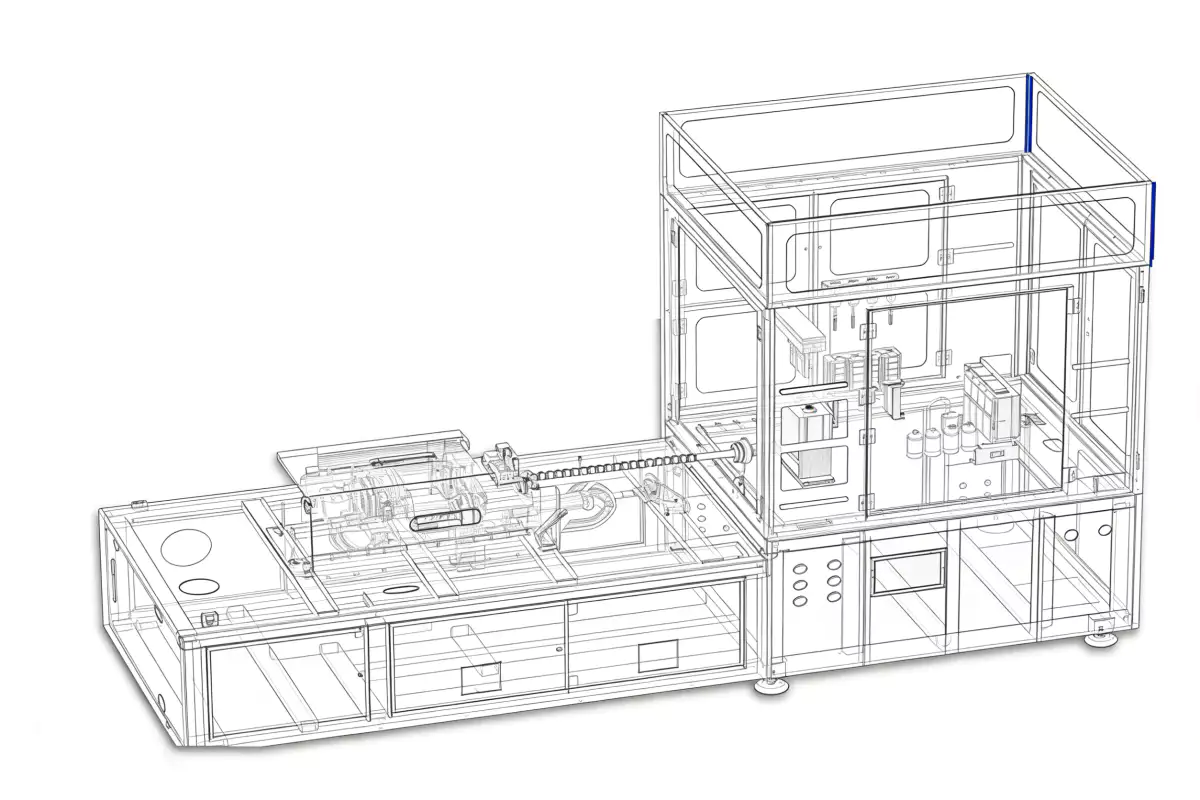
Vår PET-flaskmaskin i ett steg (anpassad för COP) följer en rigorös sterilprocess i fyra steg:
Smält COP injiceras i kaviteten. Krymphalsen bildas.
Termisk homogenisering. Avgörande för att förhindra optiska defekter.
Ren luft expanderar ampullen. Biaxiell orientering ökar styrkan.
Robottransport till renrumstransportör. Inga repor.
7. Ingenjörens fältanteckningar: Globala framgångsfall
[Schweiz] Högvärdigt onkologiskt läkemedelUtmaning: Glasflaskorna delaminerade, vilket orsakade återkallelser av partiklar för ett läkemedel med en dos på $5 000.
Lösning: Övergång till COP-flaskor med HGY150-V4-EV.
Resultat: Noll delaminering. FDA-godkännande beviljat för primärbehållare av plast.
[USA] mRNA-vaccinförsörjningskedjaUtmaning: Behövs förvaringsflaskor som klarar transport vid -80 °C utan att gå sönder.
Lösning: Enstegs formsprutningsmaskin optimerad för COC.
Resultat: Klarade alla falltester vid kryogena temperaturer. Brottfrekvensen minskade från 3% (glas) till 0%.
[Sydkorea] Marknadsföringsmarknadsföring för biologiska läkemedelUtmaning: Hög kostnad för importerade japanska COP-flaskor.
Lösning: Egenproduktion med Ever-power ISBM-teknik.
Resultat: Minskad enhetskostnad med 50%. Avkastning på investeringen uppnådd på 14 månader trots höga maskin- och formkostnader.
[Kina] DjurhälsovaccinerUtmaning: Krav på massivt volym (100 miljoner enheter) med strikt sterilitet.
Lösning: En flotta av HGYS280-V6-maskiner i kontinuerlig drift.
Resultat: Blev marknadsledande inom okrossbara vaccinförpackningar.
8. Värdeanalys: Intern produktion av COP-flaskor
Att köpa färdiga COP-flaskor är otroligt dyrt (ca $0,50 – $1,00 per enhet). Att tillverka dem internt förändrar ekonomin drastiskt:
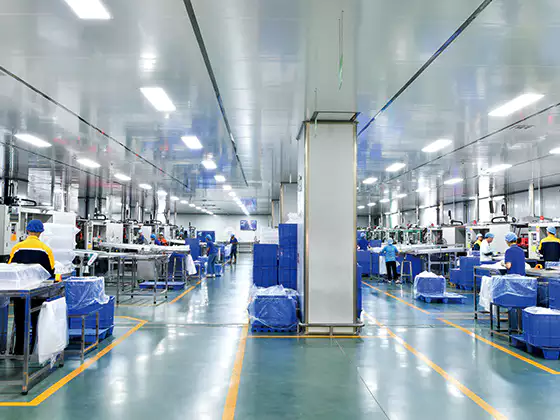
- Kostnad per enhet: Kostnaden för råmaterial per flaska är en bråkdel av priset för den inköpta färdiga varan. Besparingarna kan överstiga 60%.
- Säkerhet i leveranskedjan: Att vara beroende av ett fåtal globala glasleverantörer är riskabelt. Egen ISBM-produktion säkrar din leverans.
- Noll brottförlust: Att eliminera produktförlust på grund av behållare som går sönder under fyllning och frystorkning sparar miljoner i förlorade läkemedelsprodukter.
10. Domen: ISBM i ett steg kontra glas/andra plaster
| Särdrag | Ever-power One-Step ISBM (COP) | Borosilikatglas | Tvåstegs plastgjutning |
|---|---|---|---|
| Risk för brott | Noll (Okrossbar) | Hög (ömtålig) | Låg |
| Partiklar | Ingen (smältbildning) | Glasflingor/Delaminering | Damm från förvaring av preformar |
| Dimensionell precision | Hög (formsprutad) | Medium (rörformning) | Medium (uppvärmningsvariation) |
| Kryogen lagring | Utmärkt (-196°C) | Risk för sprickbildning | Materialberoende |
11. Regelefterlevnad: Uppfylla globala läkemedelsstandarder
Övergången från glas till plast kräver rigorös validering. Maskiner med ständig kraft underlättar detta:
- USP och : Vår process säkerställer att COP-flaskor uppfyller alla fysikalisk-kemiska tester för plastförpackningssystem.
- Extraherbara och lakbara ämnen (E&L): Den rena, tillsatsfria bearbetningen i våra maskiner minimerar potentiell urlakningsprofil.
- ISO 15378: Vår maskintillverkning följer GMP-principer som är lämpliga för primärförpackningsmaterial för läkemedel.
12. Varumärkesjämförelse: Största jämfört med marknadsledare
Medan företag som Nissei ASB var pionjärer inom detta område, erbjuder Ever-power ett övertygande värdeerbjudande för tillverkare av biologiska läkemedel:
| COP-expertis | Specialiserade skruvkonstruktioner för Daikyo Crystal Zenith® och Topas® COC-bearbetning. |
| Kapitalutgifter | 40% Lägre investering möjliggör snabb skalning av vaccinproduktionslinjer. |
| Nyckelfärdig support | Vi tillhandahåller vägledning i formdesign, maskinvalidering (IQ/OQ) och materialanskaffning. |
*Friskrivning: Varumärken tillhör sina respektive ägare. Jämförelse endast för teknisk referens.
13. Vanliga frågor: Expertsvar för biofarmaingenjörer
Är COP svår att bearbeta?
Den är känsligare än PET. Den kräver exakt temperaturkontroll för att undvika dis. Våra V4-maskiner med konditioneringsstationer är specifikt inställda för detta.
Kan jag sterilisera dessa flaskor?
Ja. COP/COC-flaskor som tillverkas i våra maskiner är kompatibla med autoklav (ånga), gammastrålning och E-strålesterilisering.
Vilka storlekar kan jag göra?
Vi kan gjuta flaskor från 2 ml upp till 100 ml på samma maskinplattform genom att byta formar.
Erbjuder ni renrumshöljning?
Ja, vi erbjuder HEPA-filterhöljen i rostfritt stål (LAF-enheter) monterade direkt på klämenheten för att upprätthålla ISO 5-förhållanden i formens öppna fas.
Hur hanterar ni den höga kostnaden för COP-material?
Våra varmkanalsystem är konstruerade för noll avfall. Inlopp är minimala eller eliminerade (ventilspjäll), vilket säkerställer maximalt materialutbyte.
Kan jag köra PET på samma maskin?
Ja. Maskinen är mångsidig. Genom att ändra skruv-/fatparametrar och formar kan du växla mellan COP för högvärdiga läkemedel och PET för standardapplikationer.
Vad är cykeltiden för en 10 ml-ampull?
För en COP-vial är typiska cykeltider cirka 12–14 sekunder på en maskin med 4 stationer, vilket prioriterar optisk kvalitet framför råhastighet.
14. Kritisk följeslagare: Oljefria luftkompressorer
För steril ISBM-blåsgjutningsmaskin driften är blåsluften en kritisk funktion. Den måste vara steril och oljefri.
Vi levererar integrerade ISO 8573-1 Klass 0 Oljefria luftkompressorer för att säkerställa att luften som expanderar din vaccinflaska är lika ren som själva vaccinet.
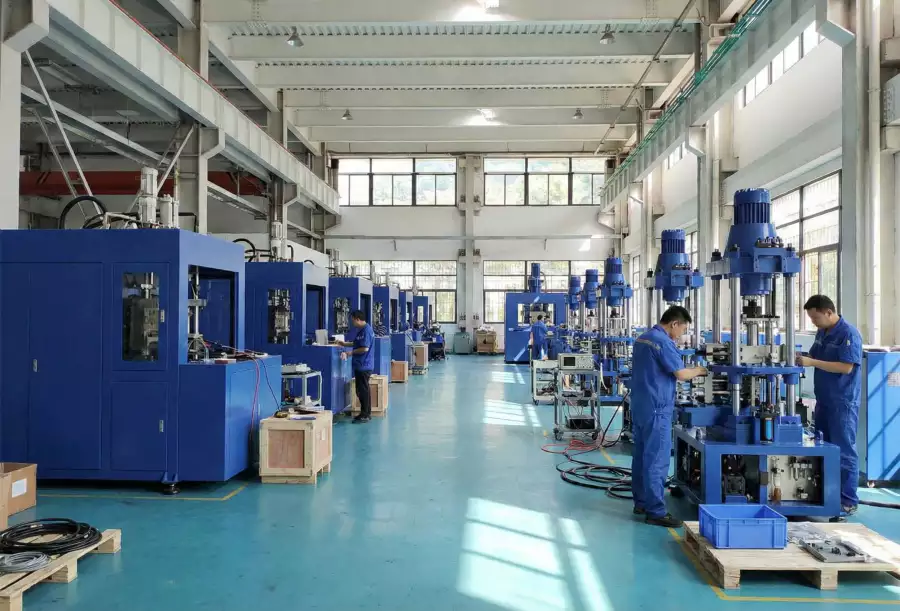
Säkra din biologiska leveranskedja
Övergång till okrossbara, sterila COP/COC-ampuller med Ever-power ISBM-teknik.