
How to Mold Cosmetic Bottles with an ISBM Machine: Practical Technical Guide
This guide treats How to Mold Cosmetic Bottles with an ISBM Machine as a sequence of measurable decisions. It begins with the physical product requirement, then tests the process mechanisms that can change the bottle, and finishes with a release condition that can be documented.
Visual standardDecoration panelsQuality release
本文必须证明什么
Develop premium cosmetic containers by controlling glass-like appearance, thick-wall optics, neck finish, asymmetry, decoration surfaces, chemical compatibility and short-run changeover economics. A defensible baseline begins with Define allowable haze, black specks, flow marks, gate appearance, parting line, sink and surface scratches using approved samples. The first verification method is Inspect under controlled lighting and at the same bottle fill condition. From there, the article follows only checks that can materially change the answer promised by the title. Where an exact operating value depends on the resin grade, bottle drawing, mold, or delivered machine, the approved project specification controls the final setting.
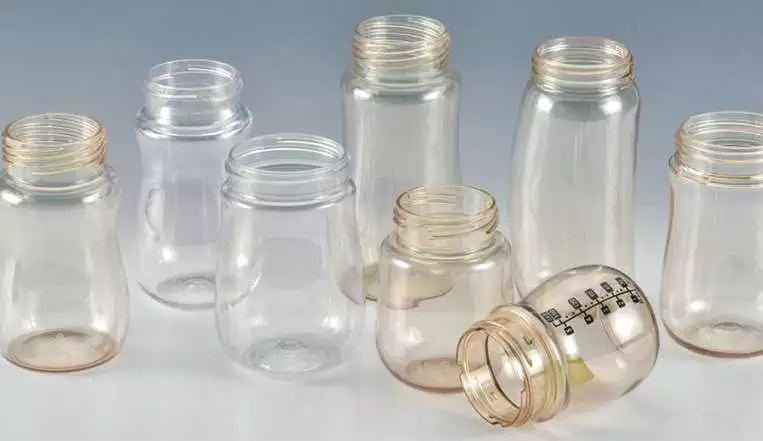
✔️ Visual standard
Define allowable haze, black specks, flow marks, gate appearance, parting line, sink and surface scratches using approved samples. Inspect under controlled lighting and at the same bottle fill condition.
✔️ Thick-wall design
Luxury cosmetic bottles may use intentionally heavy walls or optical bases. Distribute preform mass so the final bottle retains the desired visual thickness without trapping excess heat.
✔️ Resin compatibility
Fragrance oils, alcohol-rich formulas and surfactants can stress some polymers. Run filled-package aging and stress-crack tests with the real formula.
这 与 ASB 兼容的工具配置 在检查模具接口和机器运动在更换、故障排除或产能变化期间如何保持兼容性时,这一点也很重要。
Define the Cosmetic Package Before the Mold
Visual standard
Visual standard. Define allowable haze, black specks, flow marks, gate appearance, parting line, sink and surface scratches using approved samples. Inspect under controlled lighting and at the same bottle fill condition. For the intended package, visual standard should be tied to a bottle-level test that represents filling, closure, distribution, or consumer use. This checkpoint should be evaluated before visual standard is altered, because otherwise two process mechanisms change at the same time. A technically functional bottle can still be rejected by a premium brand for a barely visible surface defect.
Choose Resin for Appearance and Formula Compatibility
Thick-wall design
Thick-wall design. Luxury cosmetic bottles may use intentionally heavy walls or optical bases. Distribute preform mass so the final bottle retains the desired visual thickness without trapping excess heat. For the intended package, thick-wall design should be tied to a bottle-level test that represents filling, closure, distribution, or consumer use. For this topic, the engineering log should connect thick-wall design with the observed bottle condition and then test whether thick-wall design supports the same diagnosis. Simply adding resin can extend cooling, increase sink risk and make the base difficult to stretch.
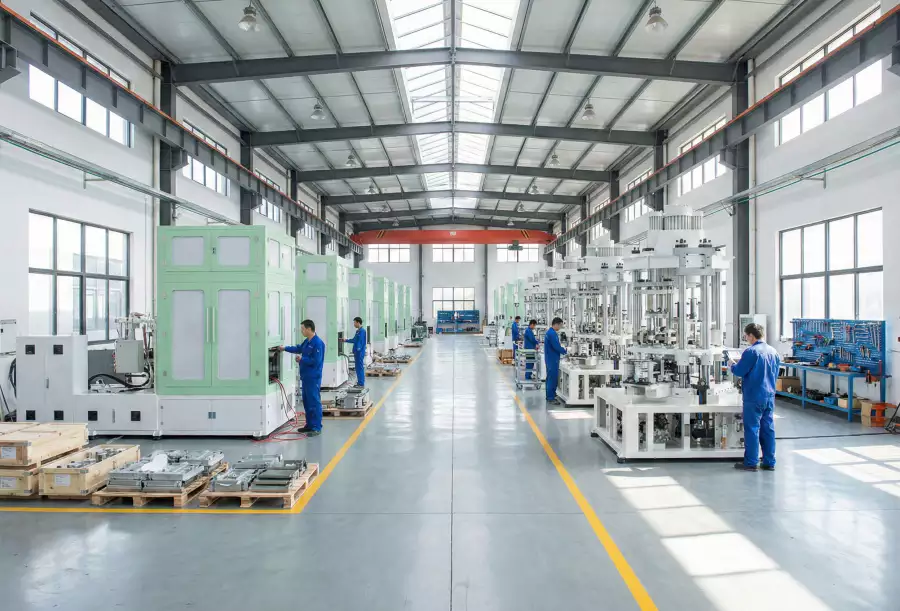
Design the Preform for Thick and Thin Visual Effects
Resin compatibility
Resin compatibility. Fragrance oils, alcohol-rich formulas and surfactants can stress some polymers. Run filled-package aging and stress-crack tests with the real formula. For the intended package, resin compatibility should be tied to a bottle-level test that represents filling, closure, distribution, or consumer use. Do not judge this factor from the HMI value alone; pair it with the actual bottle result, then continue with resin compatibility only after the relationship is clear. Selecting resin only for clarity can create delayed cracking after filling.
Color control
Color control. Transparent tints, opaque masterbatch and effect pigments change heat absorption and visual defect sensitivity. Qualify each color family and keep material-change cleaning procedures documented. For the intended package, color control should be tied to a bottle-level test that represents filling, closure, distribution, or consumer use. Keep color control at its validated baseline while this item is tested so the bottle response can be attributed to one cause. A recipe stable for clear resin may overheat a dark preform under the same conditioning.
这项特定任务的工作条款
- Visual standard
- Define allowable haze, black specks, flow marks, gate appearance, parting line, sink and surface scratches using approved samples.
- Thick-wall design
- Luxury cosmetic bottles may use intentionally heavy walls or optical bases.
- Resin compatibility
- Fragrance oils, alcohol-rich formulas and surfactants can stress some polymers.
- Color control
- Transparent tints, opaque masterbatch and effect pigments change heat absorption and visual defect sensitivity.
Control Surface Quality through the One-Step Path
Oval bottle control
Oval bottle control. Directional shapes require controlled circumferential material distribution. Maintain preform orientation and use preferential conditioning where the machine provides it. For the intended package, oval bottle control should be tied to a bottle-level test that represents filling, closure, distribution, or consumer use. Use the smallest controlled change that can prove the effect of oval bottle control, then restore the baseline before a different adjustment such as oval bottle control is tried. Losing orientation during transfer can put the thick and thin walls on the wrong panels.
| 物品 | 工程问题 | 实际验证 |
|---|---|---|
| Visual standard | Define allowable haze, black specks, flow marks, gate appearance, parting line, sink and surface scratches using approved samples. | Inspect under controlled lighting and at the same bottle fill condition. |
| Thick-wall design | Luxury cosmetic bottles may use intentionally heavy walls or optical bases. | Distribute preform mass so the final bottle retains the desired visual thickness without trapping excess heat. |
| Resin compatibility | Fragrance oils, alcohol-rich formulas and surfactants can stress some polymers. | Run filled-package aging and stress-crack tests with the real formula. |
| Color control | Transparent tints, opaque masterbatch and effect pigments change heat absorption and visual defect sensitivity. | Qualify each color family and keep material-change cleaning procedures documented. |
| Oval bottle control | Directional shapes require controlled circumferential material distribution. | Maintain preform orientation and use preferential conditioning where the machine provides it. |
| Decoration panels | Screen print, label, metallization or coating may require flatness and low residual distortion. | Measure panel geometry after the bottle stabilizes and after the intended decoration process. |
| 发布条件 | Combine appearance, dimensional, leak, drop, decoration and filled-product compatibility tests. Approve a golden sample and cavity-level defect limits. | |
Mold Oval and Decorated Panels without Wall Imbalance
Decoration panels
Decoration panels. Screen print, label, metallization or coating may require flatness and low residual distortion. Measure panel geometry after the bottle stabilizes and after the intended decoration process. For the intended package, decoration panels should be tied to a bottle-level test that represents filling, closure, distribution, or consumer use. This factor belongs in the setup sheet because it directly changes the conditions under which decoration panels is evaluated. A panel that looks flat at ejection can relax later and create decoration registration problems.
对于与刀具相关的决策, ASB-12 替换模具工程 重点阐述了为什么尺寸接口、冷却连接、腔体几何形状和传输对准必须作为机器设置的一部分来处理。
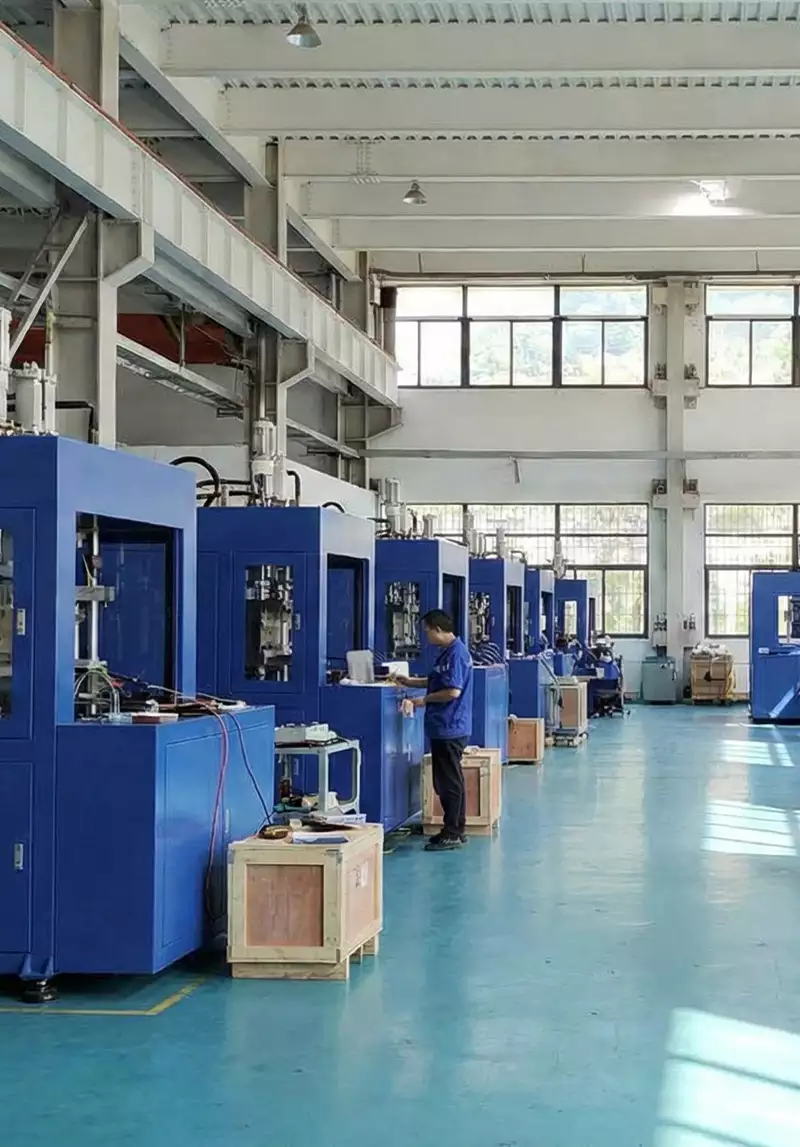
Protect Neck and Closure Precision
Neck and closure
Neck and closure. Pumps, droppers and premium caps can be sensitive to thread, seal and shoulder dimensions. Gauge the injection-molded finish and test closure torque/leak on production samples. For the intended package, neck and closure should be tied to a bottle-level test that represents filling, closure, distribution, or consumer use. If the result differs by cavity, compare the local hardware related to neck and closure before moving on to neck and closure. Blow-stage adjustments cannot correct a neck formed out of tolerance at injection.
Gate appearance
Gate appearance. Clear cosmetic packs make gate whitening, stringing or off-center base marks highly visible. Inspect preforms before blowing and keep gate/core alignment and resin condition stable. For the intended package, gate appearance should be tied to a bottle-level test that represents filling, closure, distribution, or consumer use. This item is considered resolved only when the finding remains repeatable after thermal stabilization and the next check, gate appearance, does not contradict it. Trying to hide a gate defect with bottle-base geometry can compromise mechanical performance.
Plan Color and SKU Changeovers
Changeover economics
Changeover economics. Cosmetic plants often run many fragrances, colors and bottle formats. Measure purge resin, cleaning time, mold-change time and first-good-part time for each SKU change. For the intended package, changeover economics should be tied to a bottle-level test that represents filling, closure, distribution, or consumer use. For repeatability, define who measures changeover economics, where it is measured, and what bottle evidence is required before checking changeover economics. A machine with fast nominal cycle can have poor weekly output if color and mold changes are slow.
Validate the Bottle with Cosmetic-Specific Tests
Quality release
Quality release. Combine appearance, dimensional, leak, drop, decoration and filled-product compatibility tests. Approve a golden sample and cavity-level defect limits. For the intended package, quality release should be tied to a bottle-level test that represents filling, closure, distribution, or consumer use. Record the bottle response beside the setting or measurement for quality release; that record becomes the starting condition when quality release is reviewed. Visual-only approval can miss closure or chemical failures that appear after packaging.
Changeover economics: release evidence
Cosmetic plants often run many fragrances, colors and bottle formats. Measure purge resin, cleaning time, mold-change time and first-good-part time for each SKU change. The condition is accepted only when the relevant bottle measurement or functional test remains stable after the process reaches normal operating temperature.
Quality release: failure boundary
Visual-only approval can miss closure or chemical failures that appear after packaging. Use that failure mode as the boundary for the trial and return to the previous stable condition when the bottle response moves in the wrong direction.
像这种对形状要求很高的案例 广口容器 ISBM 应用 可用于检查当投影面积、热平衡和材料分布变得难以控制时,相同的工艺逻辑是否仍然稳定。
Questions that arise specifically in How to Mold Cosmetic Bottles with an ISBM Machine
Why is one-step ISBM attractive for cosmetic bottles?
Integrated resin-to-bottle processing can reduce intermediate preform handling and offers flexibility for premium shapes, but the final benefit depends on resin, design and volume.
How do I avoid wall imbalance in an oval bottle?
Control preform orientation, circumferential temperature and stretch/blow timing, then verify major- and minor-axis wall maps.
What causes visible gate whitening?
It can be related to resin condition, gate design, injection stress or later stretch around the base. Inspect the preform first.
Should cosmetic bottles be tested with the actual formula?
Yes. Fragrances, oils and alcohols can interact with polymers differently than water-based laboratory tests.
How do color changes affect processing?
Pigments can change heat absorption and purge behavior, so validate thermal settings and cleaning for each color family.
实际结论
For How to Mold Cosmetic Bottles with an ISBM Machine, begin by documenting visual standard, then test decoration panels without moving unrelated settings, and release the process only after quality release is verified on every active cavity. Visual-only approval can miss closure or chemical failures that appear after packaging.