
ISBM Machines for Pharmaceutical Bottles Explained: Practical Technical Guide
ISBM Machines for Pharmaceutical Bottles Explained is a practical engineering question, so this guide starts with critical dimensions, moves through material identity, and ends with bottle-level verification rather than generic ISBM background.
Critical dimensionsVisual defectsServiceability
この記事が証明しなければならないこと
Select and operate isbm equipment for pharmaceutical bottles where closure integrity, cleanliness, traceability, dimensional repeatability, material control and validated changeover are more important than headline speed alone. A defensible baseline begins with Identify neck, seal surface, bottle mouth, shoulder and body dimensions tied to cap, induction seal, insert or dispensing function. The first verification method is Use calibrated gauges and a sampling plan by cavity. From there, the article follows only checks that can materially change the answer promised by the title. Where an exact operating value depends on the resin grade, bottle drawing, mold, or delivered machine, the approved project specification controls the final setting.
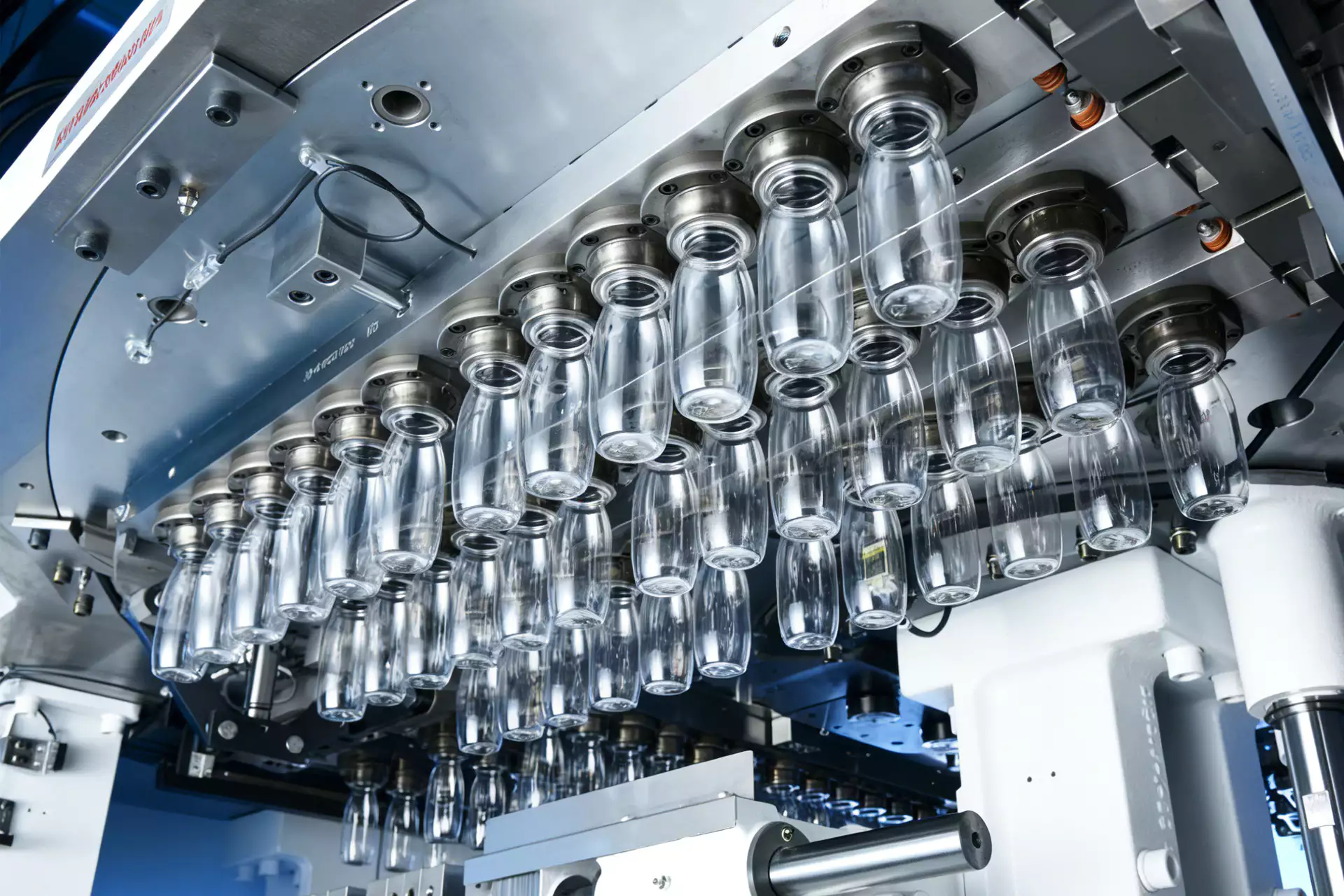
✔️ Critical dimensions
Identify neck, seal surface, bottle mouth, shoulder and body dimensions tied to cap, induction seal, insert or dispensing function. Use calibrated gauges and a sampling plan by cavity.
✔️ Material identity
Control resin grade, colorant, lot and any recycled-content policy under the package requirement. Use segregated handling and line-clearance procedures.
✔️ Clean handling
Minimize open transfer, dust collection and unnecessary bottle contact after molding. Review guarding, take-out surfaces, conveyors and cleaning access during machine selection.
その ASB-12射出成形金型の交換 これは、金型交換、寸法合わせ、冷却性能、またはISBMステーション間の繰り返し可能な移送を伴う作業の場合に役立つ装置の一例です。
Define Pharmaceutical Critical-to-Quality Features
Critical dimensions
Critical dimensions. Identify neck, seal surface, bottle mouth, shoulder and body dimensions tied to cap, induction seal, insert or dispensing function. Use calibrated gauges and a sampling plan by cavity. For the intended package, critical dimensions should be tied to a bottle-level test that represents filling, closure, distribution, or consumer use. The practical value of this check is that it turns critical dimensions from a vague setting into evidence that can be compared with critical dimensions. A dimensionally stable body does not compensate for an out-of-spec sealing finish.
Control Resin Identity and Material Handling
Material identity
Material identity. Control resin grade, colorant, lot and any recycled-content policy under the package requirement. Use segregated handling and line-clearance procedures. For the intended package, material identity should be tied to a bottle-level test that represents filling, closure, distribution, or consumer use. Use this result to narrow the process window, not to create a new universal setpoint; the next constraint to confirm is material identity. Mixed pellets or unrecorded substitutions undermine traceability and validation.
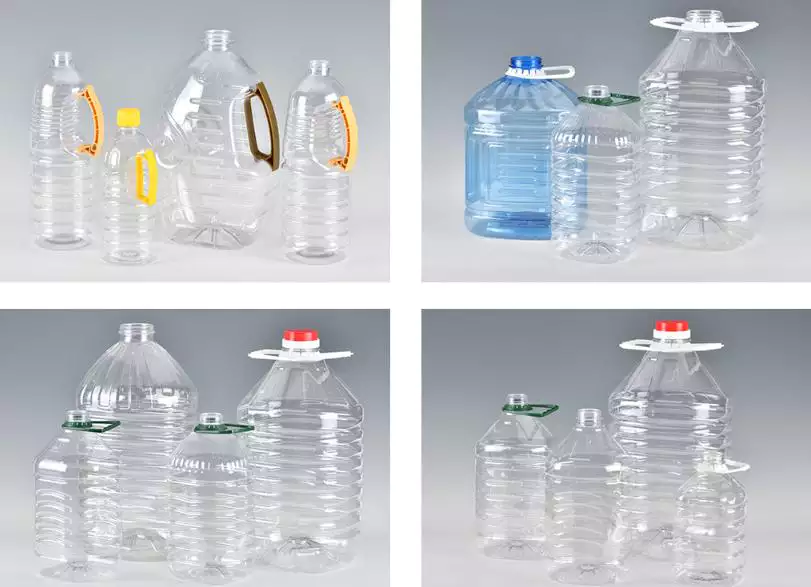
Protect the Injection-Molded Neck Finish
Clean handling
Clean handling. Minimize open transfer, dust collection and unnecessary bottle contact after molding. Review guarding, take-out surfaces, conveyors and cleaning access during machine selection. For the intended package, clean handling should be tied to a bottle-level test that represents filling, closure, distribution, or consumer use. The expected response should be visible in a bottle measurement, defect map, or machine trend before the team proceeds to clean handling. A high-output cell can still be unsuitable if bottle-contact areas cannot be inspected and cleaned effectively.
Lubrication isolation
Lubrication isolation. Identify grease, hydraulic fluid and oil points relative to the product path. Use preventive inspection for leaks and follow the site-approved lubricant policy. For the intended package, lubrication isolation should be tied to a bottle-level test that represents filling, closure, distribution, or consumer use. Once this check is stable, the next useful question is whether lubrication isolation changes the same bottle region or affects a different part of the process. A small leak near the mold or take-out area can create contamination and batch investigation.
この特定のタスクに関する作業用語
- Critical dimensions
- Identify neck, seal surface, bottle mouth, shoulder and body dimensions tied to cap, induction seal, insert or dispensing function.
- Material identity
- Control resin grade, colorant, lot and any recycled-content policy under the package requirement.
- Clean handling
- Minimize open transfer, dust collection and unnecessary bottle contact after molding.
- Lubrication isolation
- Identify grease, hydraulic fluid and oil points relative to the product path.
Design for Cleanable Machine and Mold Areas
Neck cooling
Neck cooling. Keep the molded finish stable while the body is conditioned and blown. Trend closure-critical dimensions during long runs and after cycle changes. For the intended package, neck cooling should be tied to a bottle-level test that represents filling, closure, distribution, or consumer use. This checkpoint should be evaluated before neck cooling is altered, because otherwise two process mechanisms change at the same time. Thermal drift near the neck can appear as intermittent leak or cap-fit failure.
| アイテム | 工学に関する質問 | 実地検証 |
|---|---|---|
| Critical dimensions | Identify neck, seal surface, bottle mouth, shoulder and body dimensions tied to cap, induction seal, insert or dispensing function. | Use calibrated gauges and a sampling plan by cavity. |
| Material identity | Control resin grade, colorant, lot and any recycled-content policy under the package requirement. | Use segregated handling and line-clearance procedures. |
| Clean handling | Minimize open transfer, dust collection and unnecessary bottle contact after molding. | Review guarding, take-out surfaces, conveyors and cleaning access during machine selection. |
| Lubrication isolation | Identify grease, hydraulic fluid and oil points relative to the product path. | Use preventive inspection for leaks and follow the site-approved lubricant policy. |
| Neck cooling | Keep the molded finish stable while the body is conditioned and blown. | Trend closure-critical dimensions during long runs and after cycle changes. |
| Visual defects | Define limits for black specks, haze, bubbles, gate marks, flash and surface contamination. | Inspect by cavity and use controlled lighting or vision where justified. |
| リリース条件 | Choose equipment with accessible cleaning, calibrated sensors, clear maintenance intervals and reliable spare-part support. Include maintenance actions in the contamination and change-control plan. | |
Control Particulate and Lubrication Risk
Visual defects
Visual defects. Define limits for black specks, haze, bubbles, gate marks, flash and surface contamination. Inspect by cavity and use controlled lighting or vision where justified. For the intended package, visual defects should be tied to a bottle-level test that represents filling, closure, distribution, or consumer use. For this topic, the engineering log should connect visual defects with the observed bottle condition and then test whether visual defects supports the same diagnosis. Without cavity traceability, recurrent defects are difficult to localize to tooling.
このトピックでは、 ワンステップISBMマシン製品群 プロセス要件を樹脂からボトルまでの統合プラットフォームに結びつけるための、有用な機器に関するコンテキストを提供する。
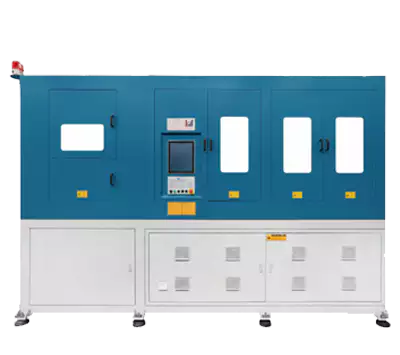
Build Cavity Traceability and Inspection
Process records
Process records. Store recipe revisions, alarms, maintenance interventions and lot information as required by the site quality system. Control user access so changes are attributable. For the intended package, process records should be tied to a bottle-level test that represents filling, closure, distribution, or consumer use. Do not judge this factor from the HMI value alone; pair it with the actual bottle result, then continue with process records only after the relationship is clear. Uncontrolled recipe editing makes root-cause investigation difficult.
切り替え
切り替え。 Use documented line clearance, cleaning, mold identification and first-piece approval. Verify removal of previous labels, resin and tooling before release. For the intended package, changeover should be tied to a bottle-level test that represents filling, closure, distribution, or consumer use. Keep changeover at its validated baseline while this item is tested so the bottle response can be attributed to one cause. Cross-mix between pharmaceutical SKUs can create serious traceability problems.
Validate Changeover and Startup
Qualification trial
Qualification trial. Demonstrate stable output and quality under defined operating conditions before routine production. Include worst-case bottle geometry or resin where appropriate. For the intended package, qualification trial should be tied to a bottle-level test that represents filling, closure, distribution, or consumer use. Use the smallest controlled change that can prove the effect of qualification trial, then restore the baseline before a different adjustment such as qualification trial is tried. A short demonstration does not establish a repeatable validated process.
Select Machine Features that Support Documented Production
Serviceability
Serviceability. Choose equipment with accessible cleaning, calibrated sensors, clear maintenance intervals and reliable spare-part support. Include maintenance actions in the contamination and change-control plan. For the intended package, serviceability should be tied to a bottle-level test that represents filling, closure, distribution, or consumer use. This factor belongs in the setup sheet because it directly changes the conditions under which serviceability is evaluated. Difficult service access encourages skipped inspections and longer interventions.
Qualification trial: release evidence
Demonstrate stable output and quality under defined operating conditions before routine production. Include worst-case bottle geometry or resin where appropriate. The condition is accepted only when the relevant bottle measurement or functional test remains stable after the process reaches normal operating temperature.
Serviceability: failure boundary
Difficult service access encourages skipped inspections and longer interventions. Use that failure mode as the boundary for the trial and return to the previous stable condition when the bottle response moves in the wrong direction.
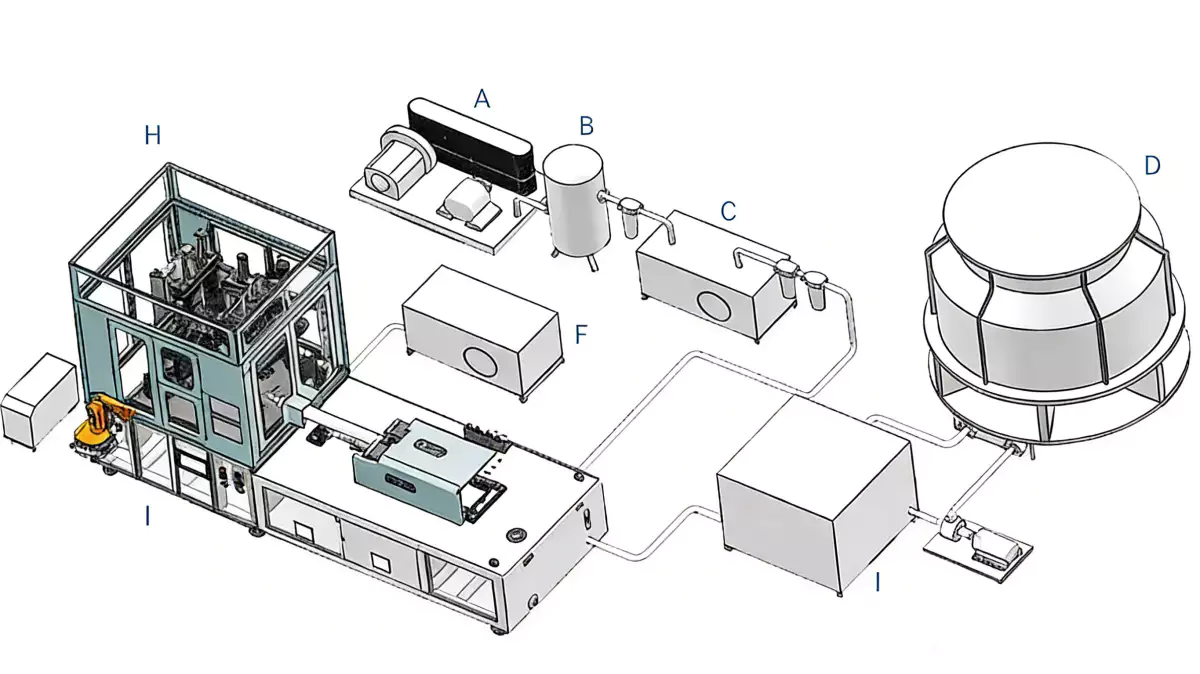
要件をハードウェアに変換する際には、 HGY50-V3-EV マシン構成 射出成形、熱処理、延伸ブロー動作、およびハンドリングが、コンパクトなワンステッププラットフォーム上でどのように構成されているかを示しています。
Questions that arise specifically in ISBM Machines for Pharmaceutical Bottles Explained
Is an ISBM machine automatically suitable for pharmaceutical packaging?
No. Suitability depends on material, bottle function, cleanliness, documentation, inspection and the site regulatory/quality requirements.
Which bottle feature is most critical?
It depends on the package, but closure and sealing dimensions are commonly critical because they directly affect product containment.
Why track defects by cavity?
Cavity identification helps distinguish mold-local problems from machine-wide process drift and supports faster root-cause analysis.
Should recipes be password controlled?
Controlled access can support change management, but the exact control scheme should match the site quality system and machine capability.
What matters more than maximum speed?
Repeatable good output, dimensional capability, contamination control, traceability, serviceability and documented process stability.
実践的な結論
The working method for ISBM Machines for Pharmaceutical Bottles Explained is evidence first: establish critical dimensions, isolate the effect of visual defects, and use serviceability as the final production check. A dimensionally stable body does not compensate for an out-of-spec sealing finish.