
Why Do PET Bottles Turn Hazy During ISBM?: Practical Technical Guide
Why Do PET Bottles Turn Hazy During ISBM? is a practical engineering question, so this guide starts with haze location, moves through preform appearance, and ends with bottle-level verification rather than generic ISBM background.
Haze locationCrystallizationConfirmation trial
이 기사가 입증해야 할 것
Diagnose pet haze by separating moisture degradation, overheating, crystallization, cold stretching, contamination, surface scuffing and cooling effects. A defensible baseline begins with Record whether haze is uniform, near the gate, in a shoulder band, on one bottle face or only on the surface. The first verification method is Compare under controlled lighting and by cavity. From there, the article follows only checks that can materially change the answer promised by the title. Where an exact operating value depends on the resin grade, bottle drawing, mold, or delivered machine, the approved project specification controls the final setting.
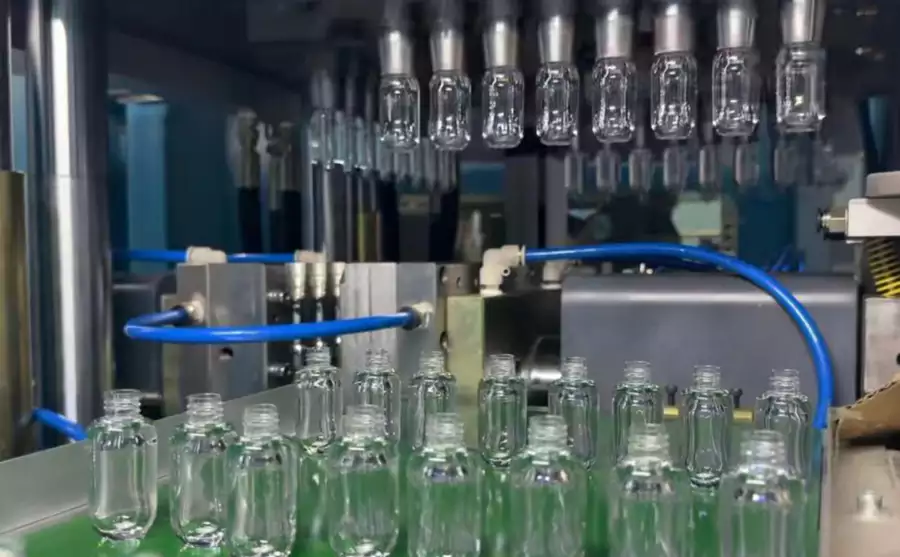
✔️ Haze location
Record whether haze is uniform, near the gate, in a shoulder band, on one bottle face or only on the surface. Compare under controlled lighting and by cavity.
✔️ Preform appearance
Inspect the preform before stretch blowing for milkiness, bubbles, discoloration or surface scuffing. Retain cavity-matched preforms when possible.
✔️ Drying condition
Review dryer performance, residence time, hopper level and material exposure after drying. Use the plant-approved moisture verification method when PET moisture is suspected.
그만큼 ASB 호환 툴링 구성 금형 교체, 문제 해결 또는 생산 능력 변경 시 금형 인터페이스와 기계 동작이 어떻게 호환되어야 하는지 확인할 때도 이 점이 중요합니다.
Identify Where the Haze Appears
Haze location
Haze location. Record whether haze is uniform, near the gate, in a shoulder band, on one bottle face or only on the surface. Compare under controlled lighting and by cavity. The diagnostic test should show whether haze location can physically create the observed defect before a repair or parameter change is accepted. If a change improves one region but worsens another, compare the material or energy movement between haze location and haze location instead of accepting the first visual improvement. Different locations point to different mechanisms, so treating all haze as the same defect wastes time.
Decide Whether the Defect Starts in the Preform
Preform appearance
Preform appearance. Inspect the preform before stretch blowing for milkiness, bubbles, discoloration or surface scuffing. Retain cavity-matched preforms when possible. The diagnostic test should show whether preform appearance can physically create the observed defect before a repair or parameter change is accepted. Where the outcome depends on material grade or tooling geometry, confirm the approved project limit and then use preform appearance as the next cross-check. If haze is already present before blowing, stretch parameters are unlikely to be the primary cause.
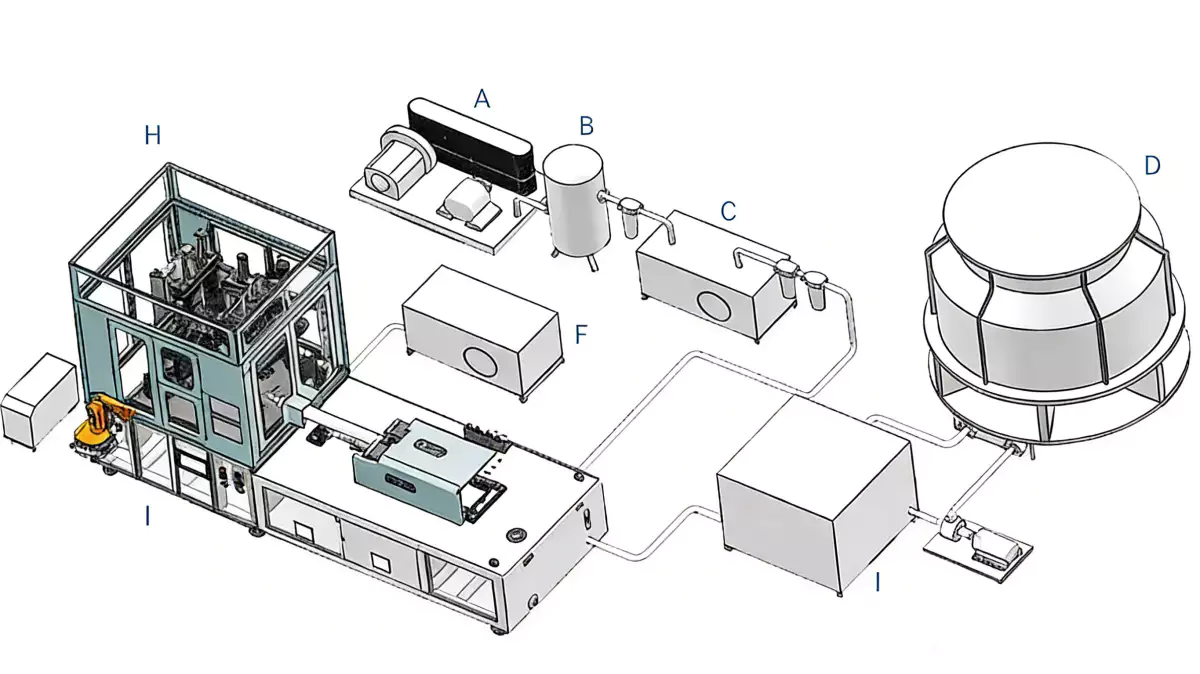
Check PET Drying and Moisture Control
Drying condition
Drying condition. Review dryer performance, residence time, hopper level and material exposure after drying. Use the plant-approved moisture verification method when PET moisture is suspected. The diagnostic test should show whether drying condition can physically create the observed defect before a repair or parameter change is accepted. When the project is near a machine or material limit, require a molding trial that isolates drying condition and then challenges drying condition under the same bottle specification. Moisture-related hydrolysis can reduce melt quality even when the bottle is still transparent enough to confuse diagnosis.
Melt heat
Melt heat. Check barrel, hot-runner and residence conditions for excessive temperature or long stagnation. Look for color shift, viscosity change or black specks accompanying haze. The diagnostic test should show whether melt heat can physically create the observed defect before a repair or parameter change is accepted. The safest interpretation comes from comparing at least several stable cycles and then verifying melt heat without changing the rest of the recipe. Increasing heat to improve flow can accelerate degradation if residence is already excessive.
본 특정 업무에 대한 근로 조건
- Haze location
- Record whether haze is uniform, near the gate, in a shoulder band, on one bottle face or only on the surface.
- Preform appearance
- Inspect the preform before stretch blowing for milkiness, bubbles, discoloration or surface scuffing.
- Drying condition
- Review dryer performance, residence time, hopper level and material exposure after drying.
- Melt heat
- Check barrel, hot-runner and residence conditions for excessive temperature or long stagnation.
Check Melt and Residence Heat History
Stretch temperature
Stretch temperature. A preform stretched outside its useful orientation window can show stress whitening or poor optical quality. Map axial temperature and correlate hazy bands with local thickness and stretch. The diagnostic test should show whether stretch temperature can physically create the observed defect before a repair or parameter change is accepted. A useful production trial keeps the resin lot and cavity identification fixed while stretch temperature is changed, followed by a separate check of stretch temperature. A cold band can be over-stressed while an overly hot band may lose desired orientation or crystallize differently.
| 목 | 공학적 질문 | 실질적인 검증 |
|---|---|---|
| Haze location | Record whether haze is uniform, near the gate, in a shoulder band, on one bottle face or only on the surface. | Compare under controlled lighting and by cavity. |
| Preform appearance | Inspect the preform before stretch blowing for milkiness, bubbles, discoloration or surface scuffing. | Retain cavity-matched preforms when possible. |
| Drying condition | Review dryer performance, residence time, hopper level and material exposure after drying. | Use the plant-approved moisture verification method when PET moisture is suspected. |
| Melt heat | Check barrel, hot-runner and residence conditions for excessive temperature or long stagnation. | Look for color shift, viscosity change or black specks accompanying haze. |
| Stretch temperature | A preform stretched outside its useful orientation window can show stress whitening or poor optical quality. | Map axial temperature and correlate hazy bands with local thickness and stretch. |
| Crystallization | Localized overheating or slow cooling can promote visible crystallinity in PET. | Check whether haze follows hot tooling zones and whether it changes with controlled cooling or temperature adjustments. |
| 릴리스 조건 | Change one suspected cause while keeping the rest of the process stable, then compare cavity-matched samples. Use haze location, preform evidence and thickness/temperature data to confirm. | |
Check Preform Temperature at Stretching
Crystallization
Crystallization. Localized overheating or slow cooling can promote visible crystallinity in PET. Check whether haze follows hot tooling zones and whether it changes with controlled cooling or temperature adjustments. The diagnostic test should show whether crystallization can physically create the observed defect before a repair or parameter change is accepted. The practical value of this check is that it turns crystallization from a vague setting into evidence that can be compared with crystallization. Blindly increasing cooling can shift the problem if the true cause is upstream melt history.
이 주제에 대해서는, 원스텝 ISBM 머신 포트폴리오 이는 공정 요구사항을 통합 수지-병 플랫폼에 연결하는 데 유용한 장비 관련 정보를 제공합니다.
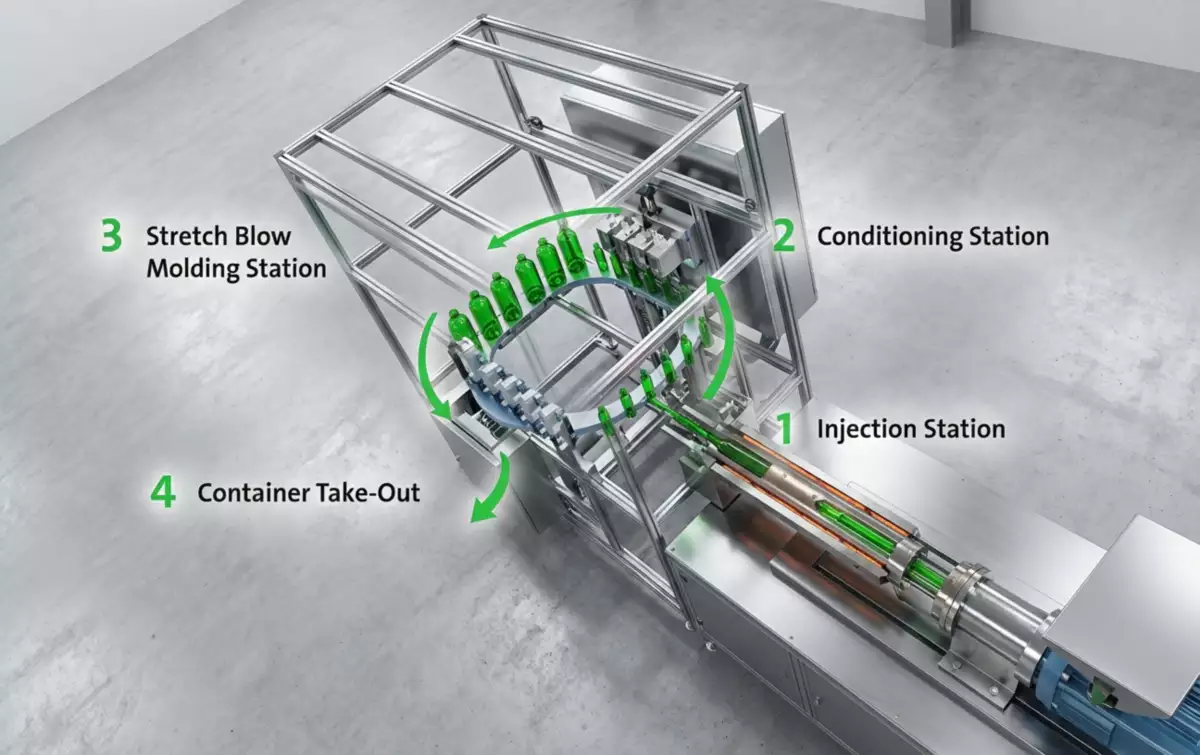
Separate Crystallization from Stress Whitening
Surface scuff
Surface scuff. Scratches from transfer, ejection or conveyor contact can look like haze. Inspect the surface under magnification and compare parts before and after handling. The diagnostic test should show whether surface scuff can physically create the observed defect before a repair or parameter change is accepted. Use this result to narrow the process window, not to create a new universal setpoint; the next constraint to confirm is surface scuff. Changing resin or heat settings will not fix mechanical abrasion.
Contamination
Contamination. Mixed resin, incompatible regrind, degraded material or dirty conveying can cloud the bottle. Check material identity, purge condition and whether the defect begins after a resin or color change. The diagnostic test should show whether contamination can physically create the observed defect before a repair or parameter change is accepted. The expected response should be visible in a bottle measurement, defect map, or machine trend before the team proceeds to contamination. Small contamination can spread through several cycles and be mistaken for thermal drift.
Check Mold Surface, Handling and Contamination
Mold surface
Mold surface. Condensation, residue or damaged polish can reduce surface clarity. Inspect and clean cavity surfaces using the approved method. The diagnostic test should show whether mold surface can physically create the observed defect before a repair or parameter change is accepted. Once this check is stable, the next useful question is whether mold surface changes the same bottle region or affects a different part of the process. A mold-surface issue often repeats at the same cavity and location.
Confirm the Cause with a Controlled Trial
Confirmation trial
Confirmation trial. Change one suspected cause while keeping the rest of the process stable, then compare cavity-matched samples. Use haze location, preform evidence and thickness/temperature data to confirm. The diagnostic test should show whether confirmation trial can physically create the observed defect before a repair or parameter change is accepted. This checkpoint should be evaluated before confirmation trial is altered, because otherwise two process mechanisms change at the same time. A defect that disappears after many simultaneous changes has not been diagnosed and may return.
Mold surface: release evidence
Condensation, residue or damaged polish can reduce surface clarity. Inspect and clean cavity surfaces using the approved method. The condition is accepted only when the relevant bottle measurement or functional test remains stable after the process reaches normal operating temperature.
Confirmation trial: failure boundary
A defect that disappears after many simultaneous changes has not been diagnosed and may return. Use that failure mode as the boundary for the trial and return to the previous stable condition when the bottle response moves in the wrong direction.
그만큼 ISBM replacement mold design reinforces the practical need to control mounting geometry, thermal behavior, transfer position, and cavity alignment rather than treating the mold as an isolated component.
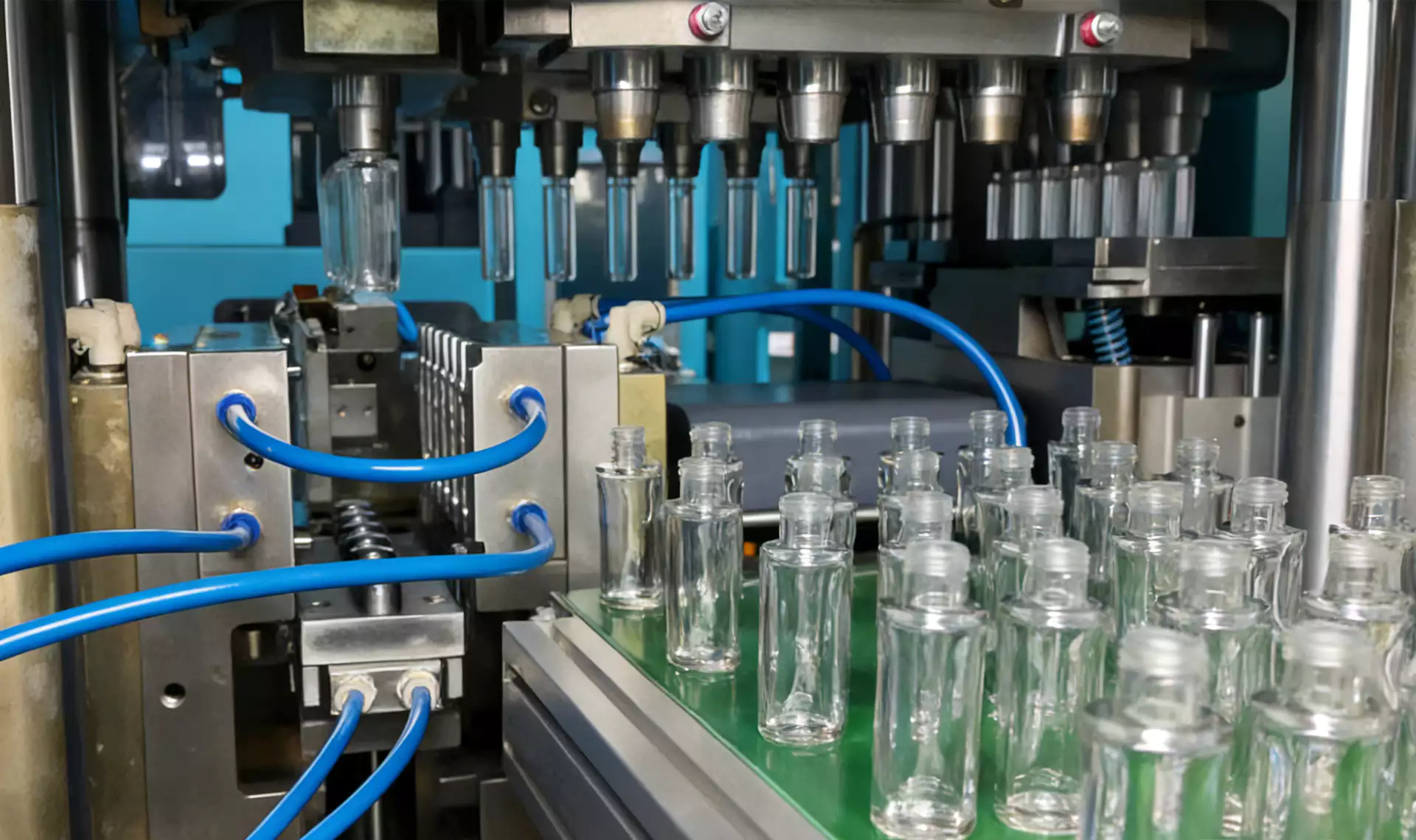
Questions that arise specifically in Why Do PET Bottles Turn Hazy During ISBM?
Is PET haze always caused by moisture?
No. Moisture is one possible cause; overheating, crystallization, cold stretching, contamination and surface damage can also reduce clarity.
Why is haze only near the bottle base?
Check gate/preform condition, base-region temperature, stretch ratio, base mold cooling and local stress before changing the whole recipe.
Can too much heat make PET cloudy?
Yes, depending on resin and thermal history. Excessive heat or residence can degrade material or encourage crystallization.
How do I know if haze is only surface scuffing?
Inspect the bottle and preform under magnification and compare samples before and after transfer or conveyor contact.
What should I stabilize before troubleshooting?
Resin identity and drying, injection conditions, utility temperatures and the basic machine cycle should be stable so the trial has one meaningful variable.
실질적인 결론
The working method for Why Do PET Bottles Turn Hazy During ISBM? is evidence first: establish haze location, isolate the effect of crystallization, and use confirmation trial as the final production check. Different locations point to different mechanisms, so treating all haze as the same defect wastes time.