
How to Select an ISBM Machine for Small Bottles: Practical Technical Guide
The useful answer to How to Select an ISBM Machine for Small Bottles comes from the interaction between container range, part handling, and economic fit. The sections below turn those factors into checks that can be repeated on a production machine.
Container rangePart handlingEconomic fit
இந்தக் கட்டுரை நிரூபிக்க வேண்டியது என்னவென்றால்
Select equipment for small bottles where high cavitation, small necks, short cooling distances, handling stability and cosmetic or pharmaceutical quality often control the project. A defensible baseline begins with Define minimum and maximum bottle mass, body diameter, height, neck finish and target fill application. The first verification method is Include the smallest lightweight product because it may create injection and handling challenges different from the largest bottle. From there, the article follows only checks that can materially change the answer promised by the title. Where an exact operating value depends on the resin grade, bottle drawing, mold, or delivered machine, the approved project specification controls the final setting.
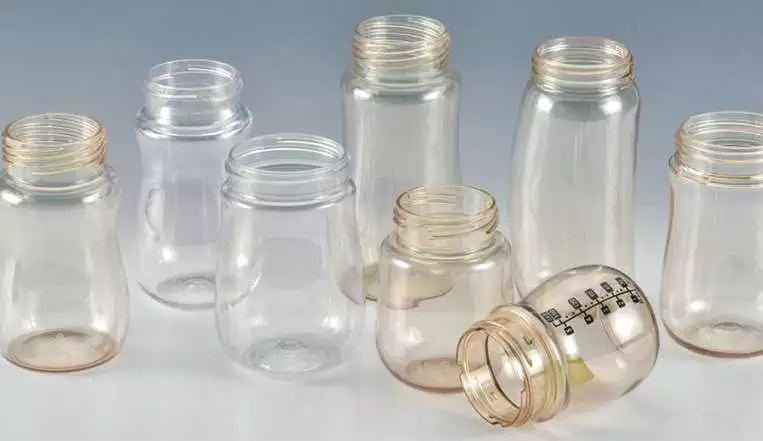
✔️ Container range
Define minimum and maximum bottle mass, body diameter, height, neck finish and target fill application. Include the smallest lightweight product because it may create injection and handling challenges different from the largest bottle.
✔️ Neck finish
Small bottles often use narrow finishes where dimensional accuracy and cooling strongly affect closure performance. Identify critical neck diameters, thread or snap features and seal surfaces and protect them from blow-stage heat.
✔️ Cavity density
Small bottle geometry may allow more cavities, but injection balance and tooling access become more demanding. Compare cavity layouts with hot-runner balance, lip-cavity cooling and mold maintenance access.
தேவையை வன்பொருளாக மாற்றும்போது, HGY50-V3-EV இயந்திர கட்டமைப்பு ஊசி செலுத்துதல், வெப்பச் சீரமைப்பு, இழுத்து ஊதும் இயக்கம் மற்றும் கையாளுதல் ஆகியவை ஒரு கச்சிதமான ஒற்றைப் படிநிலைத் தளத்தில் எவ்வாறு ஒழுங்கமைக்கப்பட்டுள்ளன என்பதை இது விளக்குகிறது.
Why Small Bottles Need Their Own Selection Logic
Container range
Container range. Define minimum and maximum bottle mass, body diameter, height, neck finish and target fill application. Include the smallest lightweight product because it may create injection and handling challenges different from the largest bottle. Turn container range into a written project requirement or operating range before comparing machine models. If a change improves one region but worsens another, compare the material or energy movement between container range and container range instead of accepting the first visual improvement. A machine selected for the upper end can be poorly matched to tiny shots and delicate parts.
Neck Finish and Cavity Pitch
Neck finish
Neck finish. Small bottles often use narrow finishes where dimensional accuracy and cooling strongly affect closure performance. Identify critical neck diameters, thread or snap features and seal surfaces and protect them from blow-stage heat. Turn neck finish into a written project requirement or operating range before comparing machine models. Where the outcome depends on material grade or tooling geometry, confirm the approved project limit and then use neck finish as the next cross-check. Neck distortion can create leaks even when the bottle body looks perfect.
Cavity density
Cavity density. Small bottle geometry may allow more cavities, but injection balance and tooling access become more demanding. Compare cavity layouts with hot-runner balance, lip-cavity cooling and mold maintenance access. Turn cavity density into a written project requirement or operating range before comparing machine models. When the project is near a machine or material limit, require a molding trial that isolates cavity density and then challenges cavity density under the same bottle specification. Packing cavities too tightly can increase thermal interaction or make service difficult.

Shot Size and Injection Control
Shot utilization
Shot utilization. Very low preform mass can result in a small total shot on some machine sizes. Check the injection unit operating range at the intended cavitation and low-volume formats. Turn shot utilization into a written project requirement or operating range before comparing machine models. The safest interpretation comes from comparing at least several stable cycles and then verifying shot utilization without changing the rest of the recipe. Poor shot utilization can make metering and residence control less comfortable.
இந்த குறிப்பிட்ட பணிக்கான பணி விதிமுறைகள்
- Container range
- Define minimum and maximum bottle mass, body diameter, height, neck finish and target fill application.
- Neck finish
- Small bottles often use narrow finishes where dimensional accuracy and cooling strongly affect closure performance.
- Cavity density
- Small bottle geometry may allow more cavities, but injection balance and tooling access become more demanding.
- Shot utilization
- Very low preform mass can result in a small total shot on some machine sizes.
Transfer and Ejection of Lightweight Parts
Stretch length
Stretch length. Short bottles have less axial distance over which the material can be redistributed. Coordinate preform geometry, rod timing and blow timing so the base does not form before useful axial stretch occurs. Turn stretch length into a written project requirement or operating range before comparing machine models. A useful production trial keeps the resin lot and cavity identification fixed while stretch length is changed, followed by a separate check of stretch length. Aggressive early blowing can lock material near the upper wall and starve the base.
Part handling
Part handling. Light bottles can bounce, cling from static charge or misfeed after ejection. Review take-out, conveyor support, drop height and whether parts need orientation. Turn part handling into a written project requirement or operating range before comparing machine models. The practical value of this check is that it turns part handling from a vague setting into evidence that can be compared with part handling. A molding cell can meet cycle target yet lose output in the first downstream transfer.
தி ASB-இணக்கமான கருவி உள்ளமைவு மாற்றுதல், பழுது நீக்குதல் அல்லது திறன் மாற்றங்களின் போது, அச்சு இடைமுகங்களும் இயந்திர இயக்கமும் எவ்வாறு இணக்கமாக இருக்க வேண்டும் என்பதைச் சரிபார்க்கும்போதும் இது பொருத்தமானதாகும்.
| பொருள் | பொறியியல் கேள்வி | நடைமுறைச் சோதனை |
|---|---|---|
| Container range | Define minimum and maximum bottle mass, body diameter, height, neck finish and target fill application. | Include the smallest lightweight product because it may create injection and handling challenges different from the largest bottle. |
| Neck finish | Small bottles often use narrow finishes where dimensional accuracy and cooling strongly affect closure performance. | Identify critical neck diameters, thread or snap features and seal surfaces and protect them from blow-stage heat. |
| Cavity density | Small bottle geometry may allow more cavities, but injection balance and tooling access become more demanding. | Compare cavity layouts with hot-runner balance, lip-cavity cooling and mold maintenance access. |
| Shot utilization | Very low preform mass can result in a small total shot on some machine sizes. | Check the injection unit operating range at the intended cavitation and low-volume formats. |
| Stretch length | Short bottles have less axial distance over which the material can be redistributed. | Coordinate preform geometry, rod timing and blow timing so the base does not form before useful axial stretch occurs. |
| Part handling | Light bottles can bounce, cling from static charge or misfeed after ejection. | Review take-out, conveyor support, drop height and whether parts need orientation. |
| வெளியீட்டு நிபந்தனை | Balance high cavitation with mold cost, SKU count and changeover frequency. Calculate good bottles per labor hour and per mold investment for the actual campaign size. | |
Wall Distribution and Short Stretch Length
Cooling
Cooling. High cavitation concentrates heat into compact tooling and neck components. Check water-circuit balance and temperature uniformity across cavities. Turn cooling into a written project requirement or operating range before comparing machine models. Use this result to narrow the process window, not to create a new universal setpoint; the next constraint to confirm is cooling. Cavity-to-cavity temperature differences can show up as dimensional variation on tiny closures.
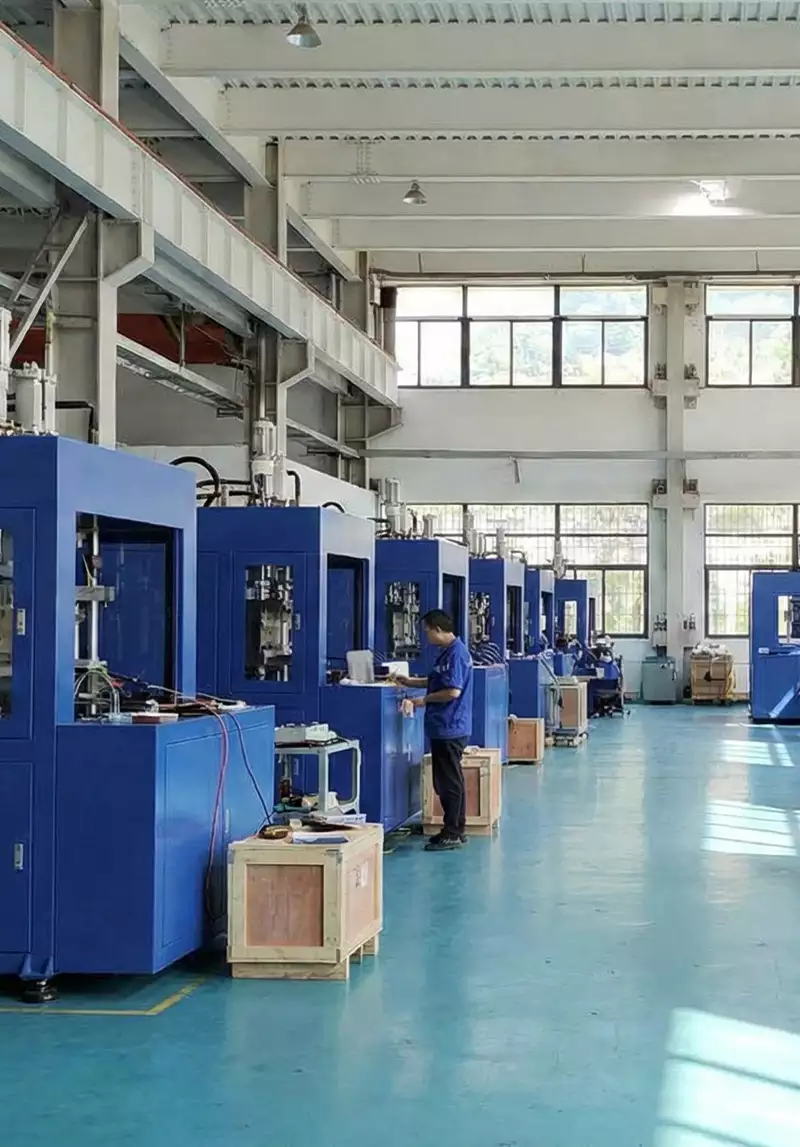
High-Cavitation Cooling and Air Demand
Clean production
Clean production. Pharmaceutical, supplement and cosmetic small bottles may have stricter particulate and surface expectations. Review material handling, lubrication isolation, guarding, cleaning access and bottle-contact surfaces. Turn clean production into a written project requirement or operating range before comparing machine models. The expected response should be visible in a bottle measurement, defect map, or machine trend before the team proceeds to clean production. A technically acceptable bottle can still fail the customer appearance or hygiene specification.
Inspection
Inspection. Small defects are harder to see at high output, especially gate marks, neck flash or tiny black specks. Plan cavity identification and vision or sampling methods from the start. Turn inspection into a written project requirement or operating range before comparing machine models. Once this check is stable, the next useful question is whether inspection changes the same bottle region or affects a different part of the process. Without cavity traceability, recurring defects are harder to link to a mold location.
Choose for Product Mix, Not Just Maximum Output
Economic fit
Economic fit. Balance high cavitation with mold cost, SKU count and changeover frequency. Calculate good bottles per labor hour and per mold investment for the actual campaign size. Turn economic fit into a written project requirement or operating range before comparing machine models. This checkpoint should be evaluated before economic fit is altered, because otherwise two process mechanisms change at the same time. High cavitation is not automatically economical for short runs or frequent design changes.
Inspection: release evidence
Small defects are harder to see at high output, especially gate marks, neck flash or tiny black specks. Plan cavity identification and vision or sampling methods from the start. The condition is accepted only when the relevant bottle measurement or functional test remains stable after the process reaches normal operating temperature.
Economic fit: failure boundary
High cavitation is not automatically economical for short runs or frequent design changes. Use that failure mode as the boundary for the trial and return to the previous stable condition when the bottle response moves in the wrong direction.
For a compatibility check, the ASB-12 blow mold compatibility shows the kinds of mechanical and thermal interfaces that should be verified before a tooling or process change is released to production.
Questions that arise specifically in How to Select an ISBM Machine for Small Bottles
What makes a small bottle difficult to mold?
Short stretch length, narrow neck features, low shot mass, high cavitation and lightweight handling can all narrow the operating window.
Should I always maximize cavities for small bottles?
No. Compare tooling cost, cycle, injection balance, cooling and changeover frequency against the required output.
Why can small bottles show base-thickness problems?
The timing between axial stretch and radial blowing is compressed over a short distance, so preform design and stretch/blow sequencing are especially important.
What should I inspect first on a pharmaceutical bottle?
Use the product specification, but neck/seal dimensions, contamination, visual defects, weight and leak performance are common critical checks.
Can the same machine also run larger bottles?
Possibly, if mold envelope, shot capacity, stretch travel and utility capability cover both ranges. Evaluate each format independently.
நடைமுறை முடிவு
A robust answer to How to Select an ISBM Machine for Small Bottles should survive a restart and a full thermal stabilization period. The setup record should therefore connect container range with part handling and the bottle result from economic fit. A molding cell can meet cycle target yet lose output in the first downstream transfer.