
How to Compare ISBM Machine Suppliers: Practical Technical Guide
For How to Compare ISBM Machine Suppliers, the objective is not to find one universal setting. It is to prove which combination of common rfq, mold integration, and life-cycle cost produces the required bottle under stable factory conditions.
Common RFQControls usabilityAcceptance commitment
இந்தக் கட்டுரை நிரூபிக்க வேண்டியது என்னவென்றால்
Compare isbm suppliers on engineering fit, trial evidence, mold competence, controls, support, lifecycle cost and ability to stand behind measurable acceptance criteria. A defensible baseline begins with Send every supplier the same bottle drawings, resin, output target, quality tests, utilities and product mix. The first verification method is Require suppliers to list deviations and assumptions explicitly. From there, the article follows only checks that can materially change the answer promised by the title. Where an exact operating value depends on the resin grade, bottle drawing, mold, or delivered machine, the approved project specification controls the final setting.
✔️ Common RFQ
Send every supplier the same bottle drawings, resin, output target, quality tests, utilities and product mix. Require suppliers to list deviations and assumptions explicitly.
✔️ Machine sizing logic
Ask each supplier to show how bottle envelope, shot mass, cavitation and cycle determine the proposed model. Review the calculation rather than accepting a model name without explanation.
✔️ Mold integration
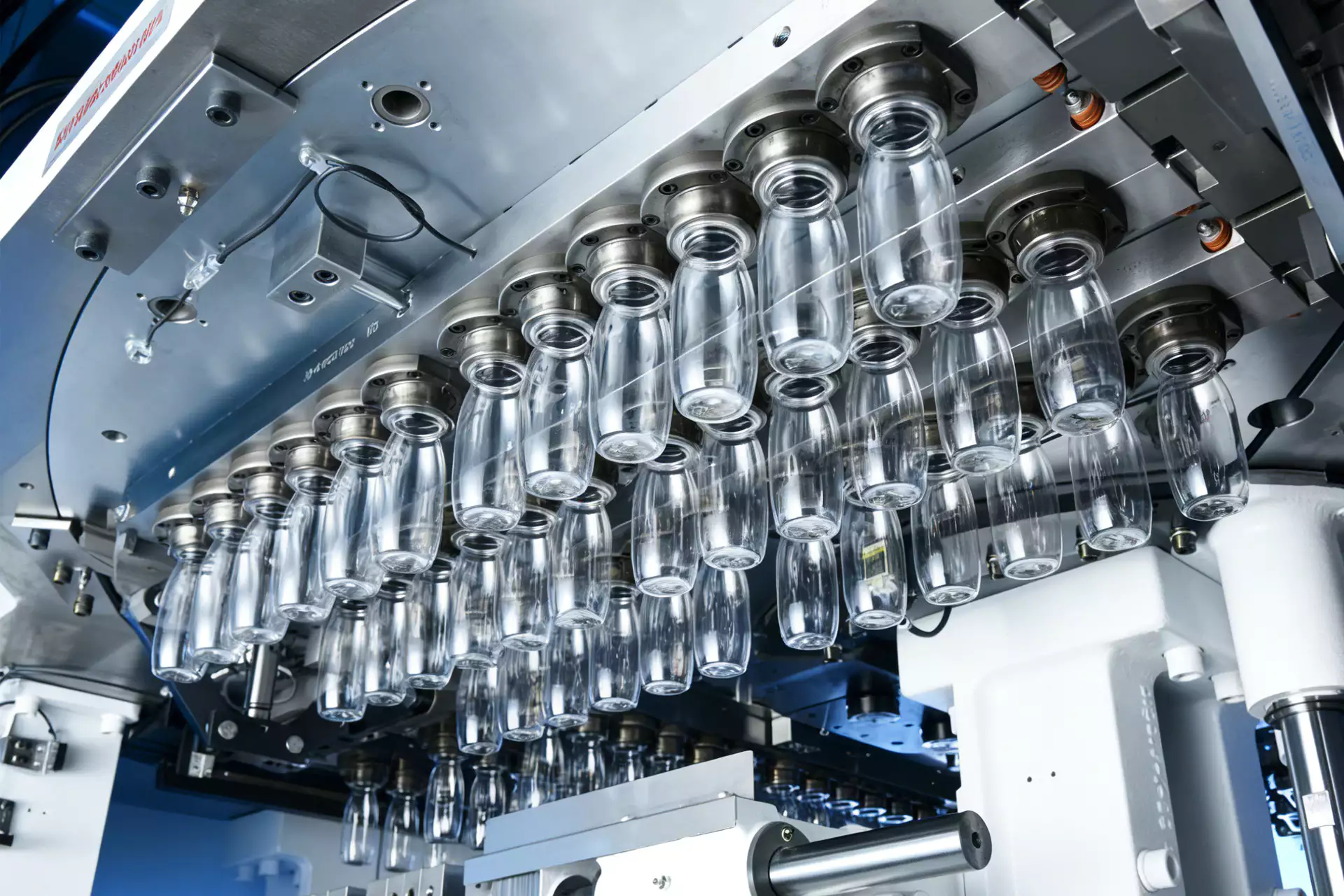
Evaluate whether the supplier designs injection, neck, conditioning and blow tooling as an integrated process. Ask for interface drawings, changeover method and responsibility boundaries when molds come from another source.
கருவி தொடர்பான முடிவுகளுக்கு, ASB-12 மாற்று அச்சு பொறியியல் பரிமாண இடைமுகங்கள், குளிரூட்டும் இணைப்புகள், குழி வடிவியல் மற்றும் பரிமாற்ற சீரமைப்பு ஆகியவற்றை இயந்திர அமைப்பின் ஒரு பகுதியாக ஏன் கருத வேண்டும் என்பதை இது எடுத்துக்காட்டுகிறது.
Normalize the Project Before Comparing Suppliers
Common RFQ
Common RFQ. Send every supplier the same bottle drawings, resin, output target, quality tests, utilities and product mix. Require suppliers to list deviations and assumptions explicitly. Ask each supplier to show the engineering basis for common rfq and list assumptions or exclusions explicitly. Use this result to narrow the process window, not to create a new universal setpoint; the next constraint to confirm is common rfq. Different assumptions create quotations that cannot be compared fairly.
Compare Engineering Answers, Not Marketing Claims
Machine sizing logic
Machine sizing logic. Ask each supplier to show how bottle envelope, shot mass, cavitation and cycle determine the proposed model. Review the calculation rather than accepting a model name without explanation. Ask each supplier to show the engineering basis for machine sizing logic and list assumptions or exclusions explicitly. The expected response should be visible in a bottle measurement, defect map, or machine trend before the team proceeds to machine sizing logic. An oversized proposal can hide weak sizing discipline just as an undersized machine creates production risk.
Mold integration
Mold integration. Evaluate whether the supplier designs injection, neck, conditioning and blow tooling as an integrated process. Ask for interface drawings, changeover method and responsibility boundaries when molds come from another source. Ask each supplier to show the engineering basis for mold integration and list assumptions or exclusions explicitly. Once this check is stable, the next useful question is whether mold integration changes the same bottle region or affects a different part of the process. Machine and mold suppliers can blame each other if process ownership is unclear.
Evaluate Mold and Bottle-Development Capability
Bottle development
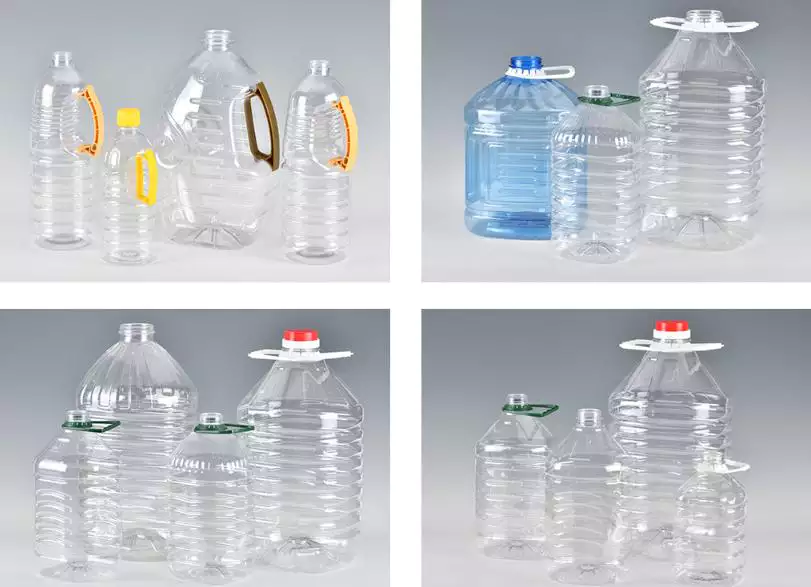
Bottle development. Check whether the supplier can review preform, stretch ratio, wall distribution, base geometry and material choice before steel is cut. Use a difficult sample bottle to discuss how they would validate the design. Ask each supplier to show the engineering basis for bottle development and list assumptions or exclusions explicitly. This checkpoint should be evaluated before bottle development is altered, because otherwise two process mechanisms change at the same time. A supplier that only builds to a drawing may not catch an unworkable stretch or cooling condition early.
இந்த குறிப்பிட்ட பணிக்கான பணி விதிமுறைகள்
- Common RFQ
- Send every supplier the same bottle drawings, resin, output target, quality tests, utilities and product mix.
- Machine sizing logic
- Ask each supplier to show how bottle envelope, shot mass, cavitation and cycle determine the proposed model.
- Mold integration
- Evaluate whether the supplier designs injection, neck, conditioning and blow tooling as an integrated process.
- Bottle development
- Check whether the supplier can review preform, stretch ratio, wall distribution, base geometry and material choice before steel is cut.
Test Controls and Troubleshooting Support
Trial evidence
Trial evidence. Request a factory trial or representative production data for the actual resin and bottle type. Define run duration, sample size, quality checks and output metric in advance. Ask each supplier to show the engineering basis for trial evidence and list assumptions or exclusions explicitly. For this topic, the engineering log should connect trial evidence with the observed bottle condition and then test whether trial evidence supports the same diagnosis. A few hand-selected samples do not demonstrate sustained process capability.
Controls usability
Controls usability. Have an operator or process engineer inspect recipe storage, alarms, trends, user permissions and maintenance pages. Simulate a common alarm and ask how the system guides diagnosis. Ask each supplier to show the engineering basis for controls usability and list assumptions or exclusions explicitly. Do not judge this factor from the HMI value alone; pair it with the actual bottle result, then continue with controls usability only after the relationship is clear. A powerful control platform can still create downtime if routine troubleshooting is opaque.
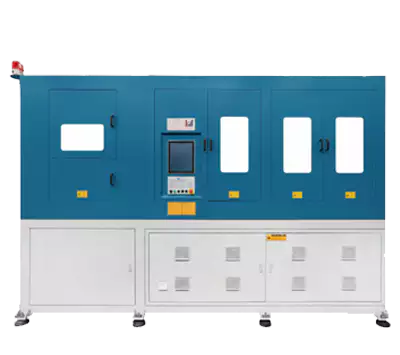
பொருந்தக்கூடிய தன்மையைச் சரிபார்க்க, ASB-12 ஊது அச்சு இணக்கத்தன்மை ஒரு கருவி அல்லது செயல்முறை மாற்றத்தை உற்பத்திக்கு வெளியிடுவதற்கு முன்பு சரிபார்க்கப்பட வேண்டிய இயந்திர மற்றும் வெப்ப இடைமுகங்களின் வகைகளை இது காட்டுகிறது.
| பொருள் | பொறியியல் கேள்வி | நடைமுறைச் சோதனை |
|---|---|---|
| Common RFQ | Send every supplier the same bottle drawings, resin, output target, quality tests, utilities and product mix. | Require suppliers to list deviations and assumptions explicitly. |
| Machine sizing logic | Ask each supplier to show how bottle envelope, shot mass, cavitation and cycle determine the proposed model. | Review the calculation rather than accepting a model name without explanation. |
| Mold integration | Evaluate whether the supplier designs injection, neck, conditioning and blow tooling as an integrated process. | Ask for interface drawings, changeover method and responsibility boundaries when molds come from another source. |
| Bottle development | Check whether the supplier can review preform, stretch ratio, wall distribution, base geometry and material choice before steel is cut. | Use a difficult sample bottle to discuss how they would validate the design. |
| Trial evidence | Request a factory trial or representative production data for the actual resin and bottle type. | Define run duration, sample size, quality checks and output metric in advance. |
| Controls usability | Have an operator or process engineer inspect recipe storage, alarms, trends, user permissions and maintenance pages. | Simulate a common alarm and ask how the system guides diagnosis. |
| வெளியீட்டு நிபந்தனை | Require the final contract to state measurable product and production acceptance conditions. Link payment or final acceptance to a documented test plan where commercially appropriate. | |
Compare Service, Spares and Documentation
Documentation
Documentation. Compare electrical, pneumatic, hydraulic, cooling, spare-parts, mold and maintenance documentation. Check whether drawings match the delivered configuration and whether revisions are controlled. Ask each supplier to show the engineering basis for documentation and list assumptions or exclusions explicitly. Keep documentation at its validated baseline while this item is tested so the bottle response can be attributed to one cause. Poor documentation increases dependency on remote support for simple faults.
Model Total Cost on the Same Assumptions
Service model
Service model. Ask who performs installation, training and warranty work in the destination country and what remote support is available. Verify communication path, response expectations and critical spare availability. Ask each supplier to show the engineering basis for service model and list assumptions or exclusions explicitly. Use the smallest controlled change that can prove the effect of service model, then restore the baseline before a different adjustment such as service model is tried. A strong machine without practical service can become a production risk in a remote plant.
Life-cycle cost
Life-cycle cost. Model energy, compressed air, cooling, labor, tooling, maintenance, scrap and expected downtime on consistent assumptions. Use cost per good bottle at the expected utilization rather than one annual energy claim. Ask each supplier to show the engineering basis for life-cycle cost and list assumptions or exclusions explicitly. This factor belongs in the setup sheet because it directly changes the conditions under which life-cycle cost is evaluated. Purchase price alone can rank suppliers in the wrong order.
Use a Weighted Supplier Scorecard
Acceptance commitment
Acceptance commitment. Require the final contract to state measurable product and production acceptance conditions. Link payment or final acceptance to a documented test plan where commercially appropriate. Ask each supplier to show the engineering basis for acceptance commitment and list assumptions or exclusions explicitly. If the result differs by cavity, compare the local hardware related to acceptance commitment before moving on to acceptance commitment. A supplier unwilling to define the performance basis may leave critical expectations unresolved.
Life-cycle cost: release evidence
Model energy, compressed air, cooling, labor, tooling, maintenance, scrap and expected downtime on consistent assumptions. Use cost per good bottle at the expected utilization rather than one annual energy claim. The condition is accepted only when the relevant bottle measurement or functional test remains stable after the process reaches normal operating temperature.
Acceptance commitment: failure boundary
A supplier unwilling to define the performance basis may leave critical expectations unresolved. Use that failure mode as the boundary for the trial and return to the previous stable condition when the bottle response moves in the wrong direction.
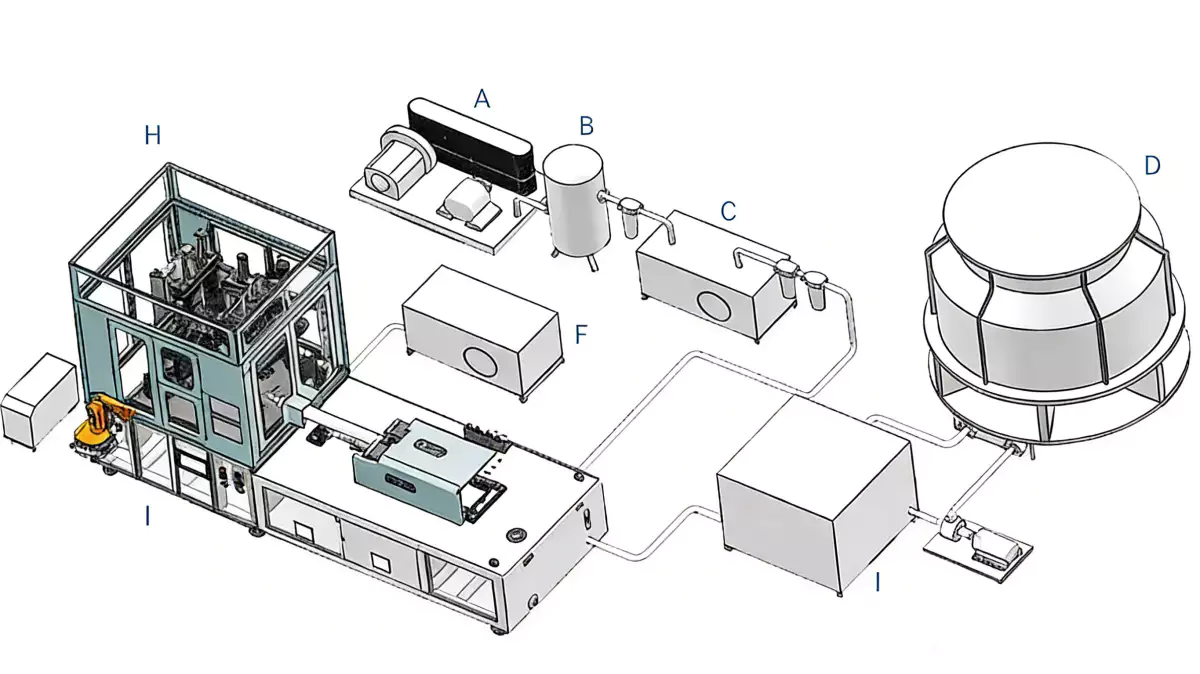
தேவையை வன்பொருளாக மாற்றும்போது, HGY50-V3-EV இயந்திர கட்டமைப்பு ஊசி செலுத்துதல், வெப்பச் சீரமைப்பு, இழுத்து ஊதும் இயக்கம் மற்றும் கையாளுதல் ஆகியவை ஒரு கச்சிதமான ஒற்றைப் படிநிலைத் தளத்தில் எவ்வாறு ஒழுங்கமைக்கப்பட்டுள்ளன என்பதை இது விளக்குகிறது.
Questions that arise specifically in How to Compare ISBM Machine Suppliers
How many suppliers should I compare?
Enough to understand the technical and commercial range, but use one common RFQ and scorecard so the evaluation remains disciplined.
What is the strongest evidence of capability?
A sustained, documented trial on a representative container is more useful than a general claim or a short sample run.
Should the machine supplier also make the mold?
Integrated responsibility can simplify optimization, but independent tooling can also work when interfaces, tolerances and process ownership are clearly defined.
How do I compare service quality before buying?
Review local staffing, support process, spare-parts lead times, documentation and service evidence relevant to your region and machine type.
What should the final scorecard include?
Weight technical fit, product quality, verified output, tooling, utilities, controls, service, lifecycle cost, delivery risk and acceptance terms based on your project priorities.
நடைமுறை முடிவு
The final decision on How to Compare ISBM Machine Suppliers is made by the bottle, not by a single displayed parameter. Use common rfq to establish the input, controls usability to test the mechanism, and acceptance commitment to prove the output under stable conditions. A supplier unwilling to define the performance basis may leave critical expectations unresolved.